
We may earn a commission when you click on the affiliate links in this post.
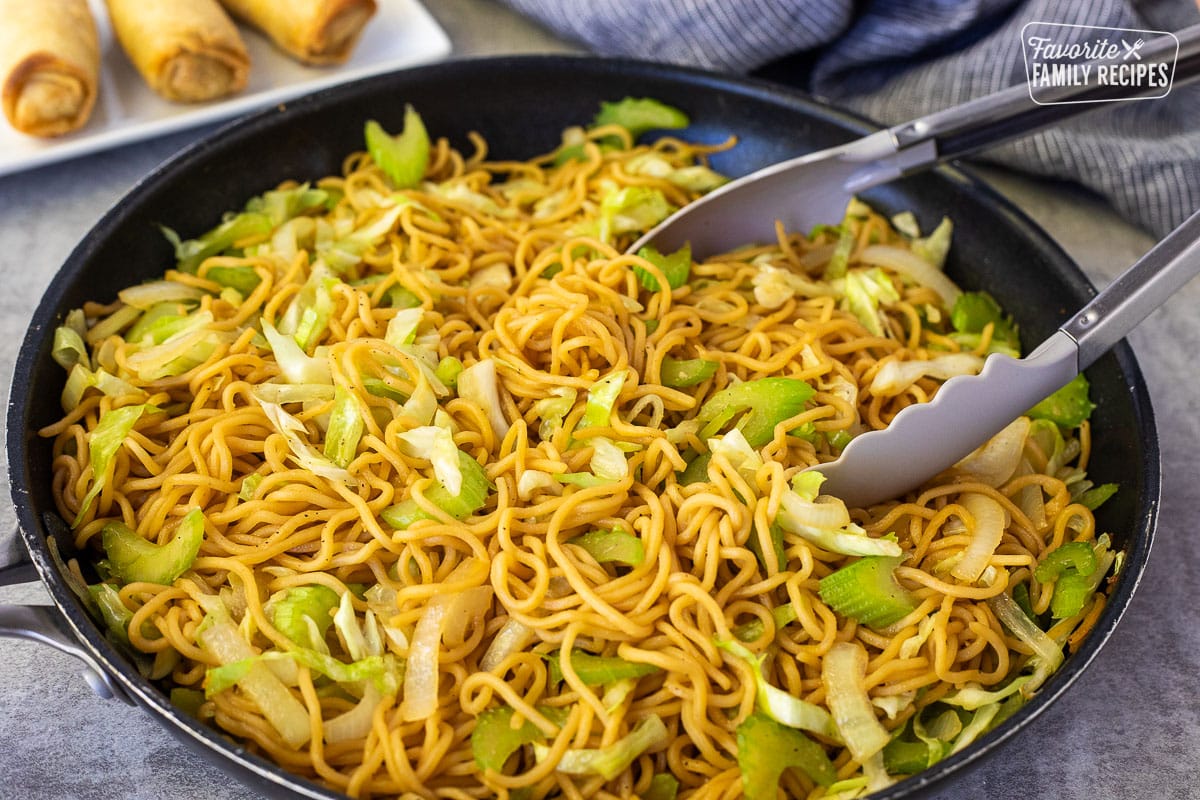
If you love Panda Express Chow Mein as much as I do, you are going to be obsessed with this easy copycat version. It has tender noodles, crisp tender veggies, and a savory chow mein sauce that tastes just like takeout, but you can make it at home in under 30 minutes with simple ingredients from your local grocery store. It is the perfect side dish for all your favorite Asian inspired mains and it disappears fast at my house.
5 Star Reviews ⭐️⭐️⭐️⭐️⭐️
“Thanks for sharing this!!!! My husband loves Panda express’s chow mein, so we were trying to find the recipes. And I found yours! I just made it for our dinner tonight, and my husband LOVES it. Thank you so much for your recipe!!!” – Lyddi
“My kids said this was better than Panda!” – Raquel
“Made this the other night as a side dish for an amazing sweet and sour pork recipes. It is excellent. Loads of flavor!” – Sue
Why I Love These Noodles
I love this Panda Express Chow Mein because it gives me that same savory, takeout style flavor in less than 30 minutes, right at home. It actually started as a solution for our Christmas Eve Chinese takeout party when we were nowhere near a Panda Express and I needed to feed a crowd. I played around with the sauce and noodles until my family said it tasted just like the real thing, and now it is one of those go to recipes I make again and again with simple pantry ingredients and easy prep.
When I serve this chow mein, I usually build a fun takeout style dinner at home. I love pairing it with General Tso’s Chicken, Bang Bang Shrimp, Mongolian Beef, Crockpot Cashew Chicken, Fresh Spring Rolls, or Steak Fried Rice. Sometimes I turn it into a full meal by adding cooked chicken, beef, shrimp, or tofu right into the pan so everything is in one bowl.
🩷 Erica
Ingredients You’ll Need
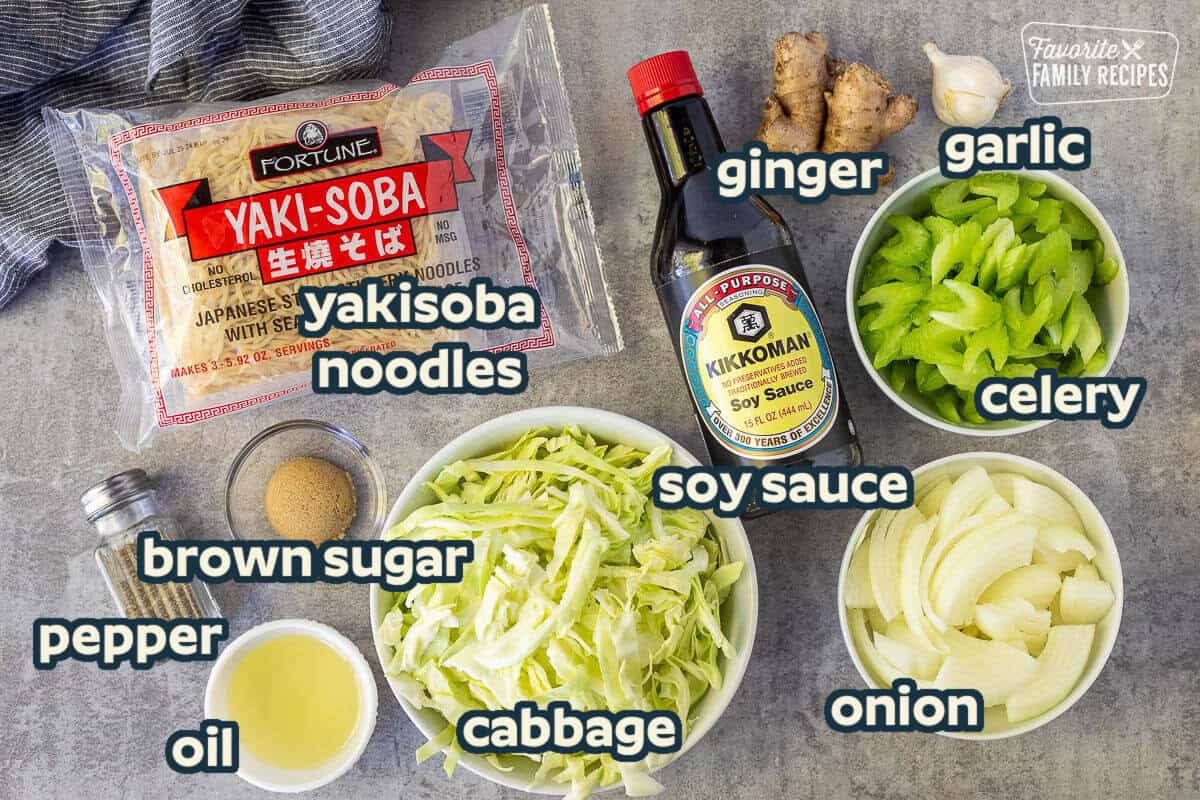
- Chow mein style noodles or yakisoba noodles: Thin wheat noodles that stir fry well and hold their texture, often sold as yakisoba in the produce section or as Chinese egg noodles.
- Onion: A white or yellow onion, thinly sliced so it softens quickly and adds sweetness and flavor to the noodles.
- Celery: Sliced on the diagonal for that classic Chinese restaurant look and a nice crunchy bite in every forkful.
- Cabbage: Shredded or thinly sliced green cabbage that wilts in the pan and stretches the dish while adding texture.
- Oil: A neutral oil like vegetable or canola oil that can handle high heat for stir frying without burning.
- Chow mein sauce base: A simple mix of soy sauce, brown sugar, garlic, and ginger that creates that signature Panda Express Chow Mein flavor.
- Seasonings: Black pepper for a tiny kick and depth of flavor.
- Optional flavor boosters: A little oyster sauce, sesame oil, or Chinese cooking wine if you want to layer in more umami and richness.
Ingredient Additions and Substitutions
- Noodles: Use yakisoba or Chinese egg noodles for the closest texture, but lo mein, ramen without the seasoning packets, or even thin spaghetti will work if you cook them just under al dente.
- Veggies: Swap or add in shredded carrots, bell peppers, snap peas, broccoli, or a bagged coleslaw mix with cabbage and carrots for extra color and crunch.
- Sauce and seasonings: Use low sodium soy sauce if you prefer, add a splash of oyster sauce for more umami, or stir in red pepper flakes or chili garlic sauce if you like a little heat.
- Gluten friendly option: Make it gluten friendly by using gluten free noodles and tamari or a gluten free soy sauce alternative, and double checking your labels.
- Protein: Turn it into a full meal by stirring in cooked chicken, pork, steak, shrimp, or tofu at the end. Leftover rotisserie chicken works especially well for a fast dinner.
How To Make Panda Express Chow Mein
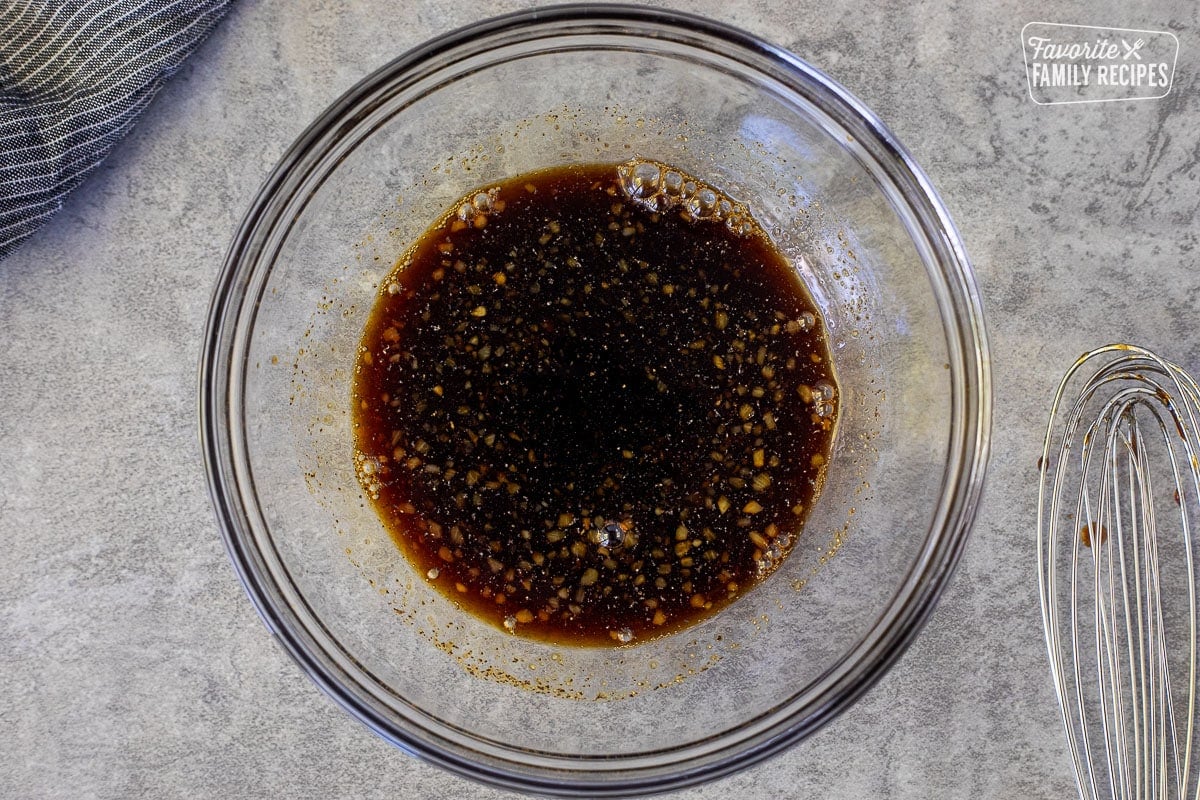
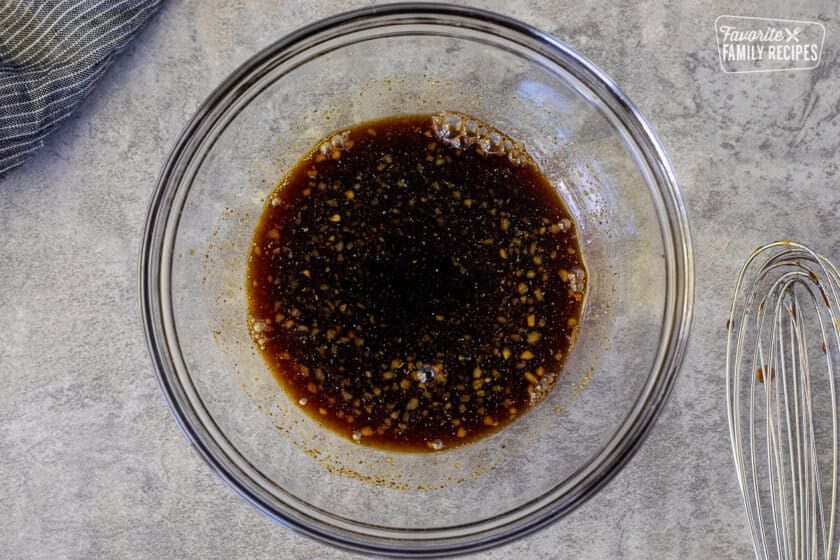
- Prepare the Sauce: Whisk soy sauce, brown sugar, garlic, ginger, and black pepper together in a small bowl. Set aside.
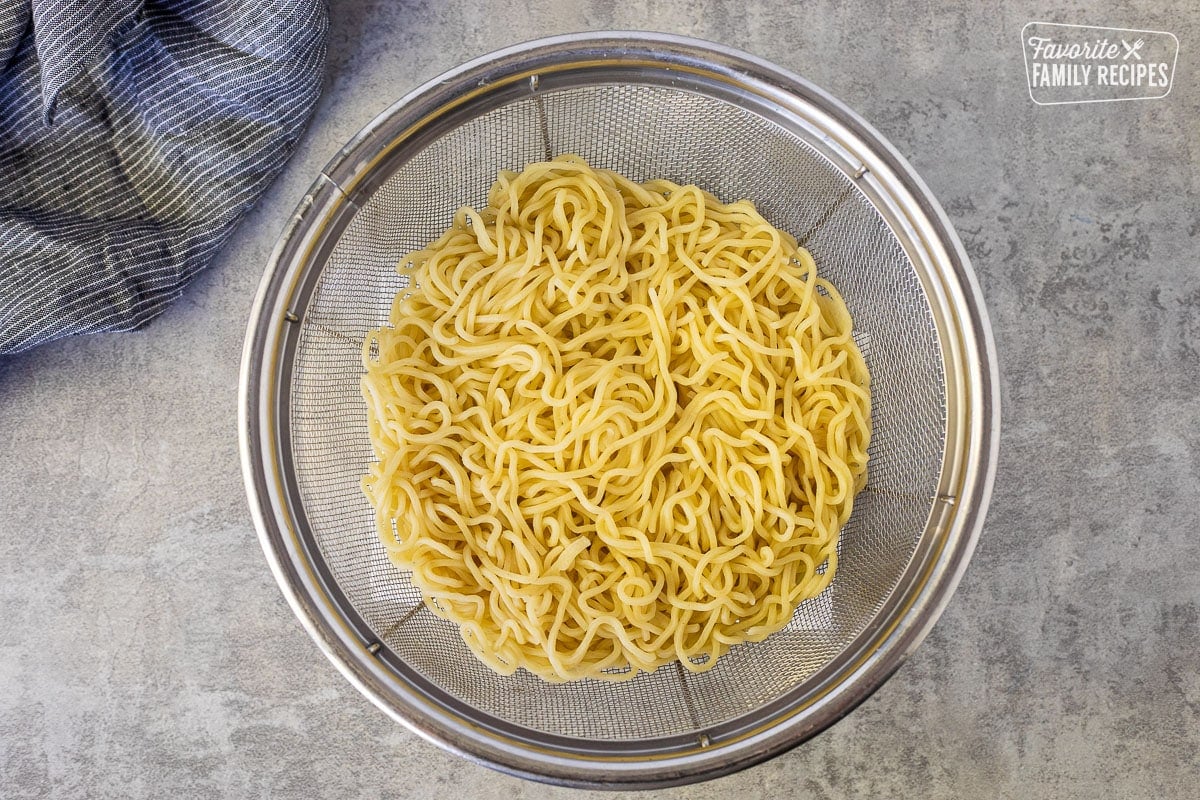
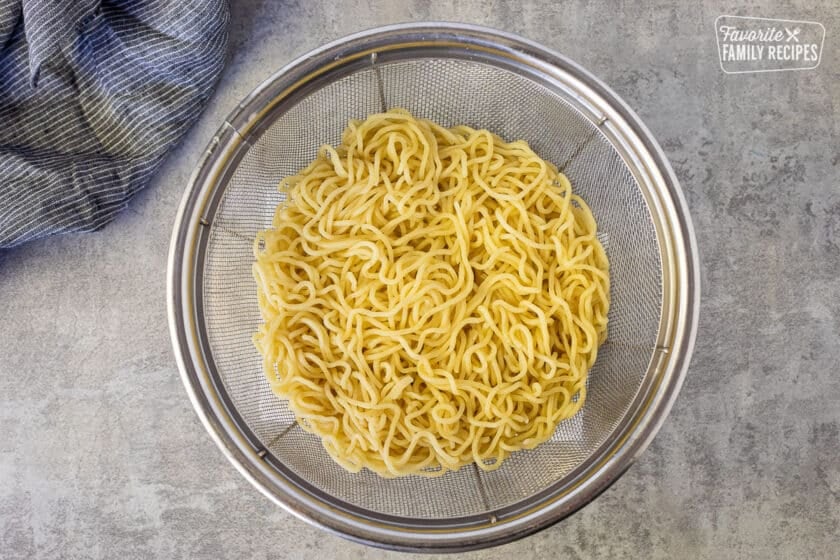
- Prepare the Noodles: Place the Yaki-Soba noodles into a collander. Discard included flavoring packets. Rinse the noodles well with cold water and drain. Set aside.
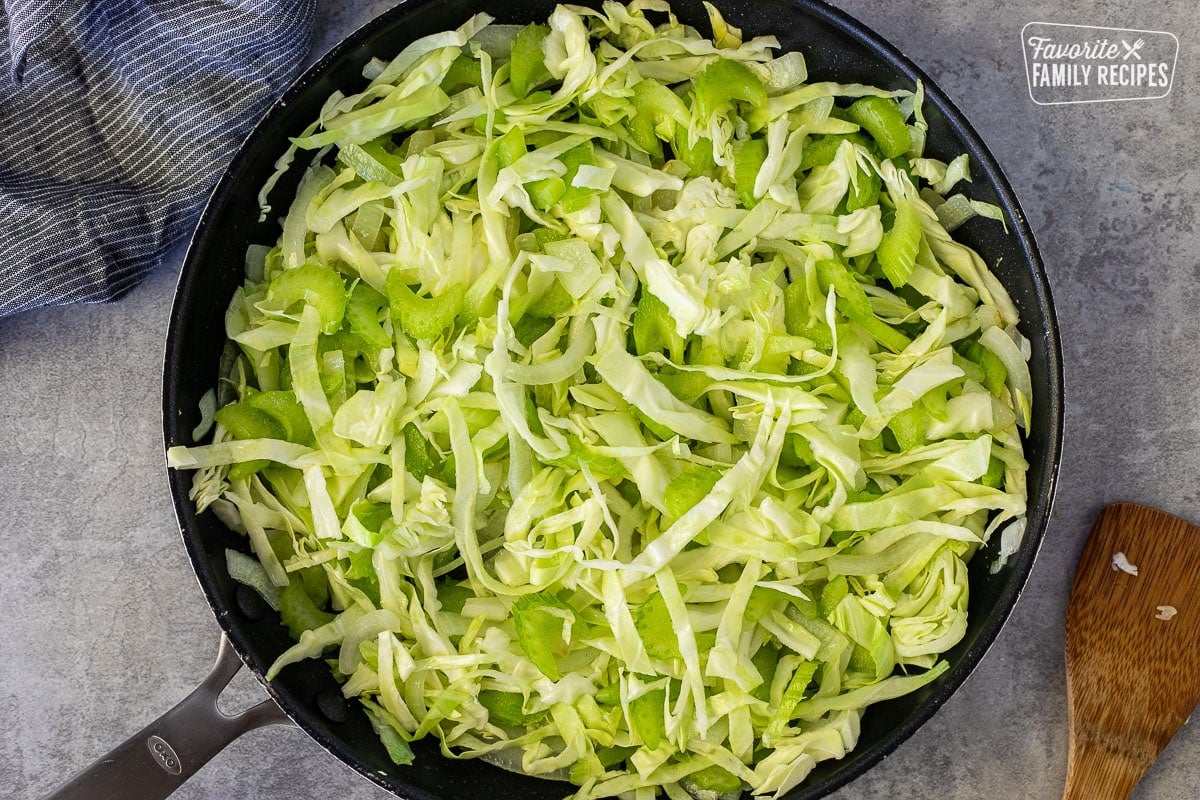
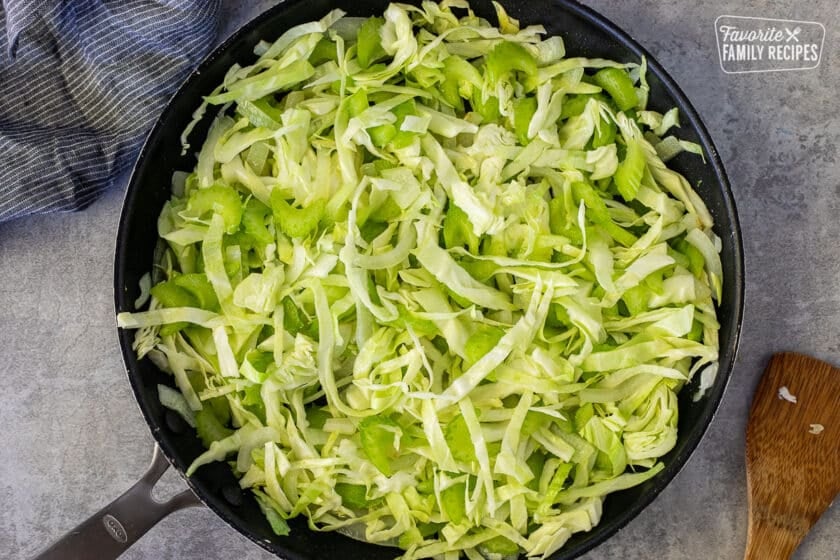
- Sauté the Vegetables: Heat oil in a large wok or skillet. Sauté the sliced onion and celery until the onions start to soften and become transparent. Add the cabbage and cook for an additional minute, stirring constantly.
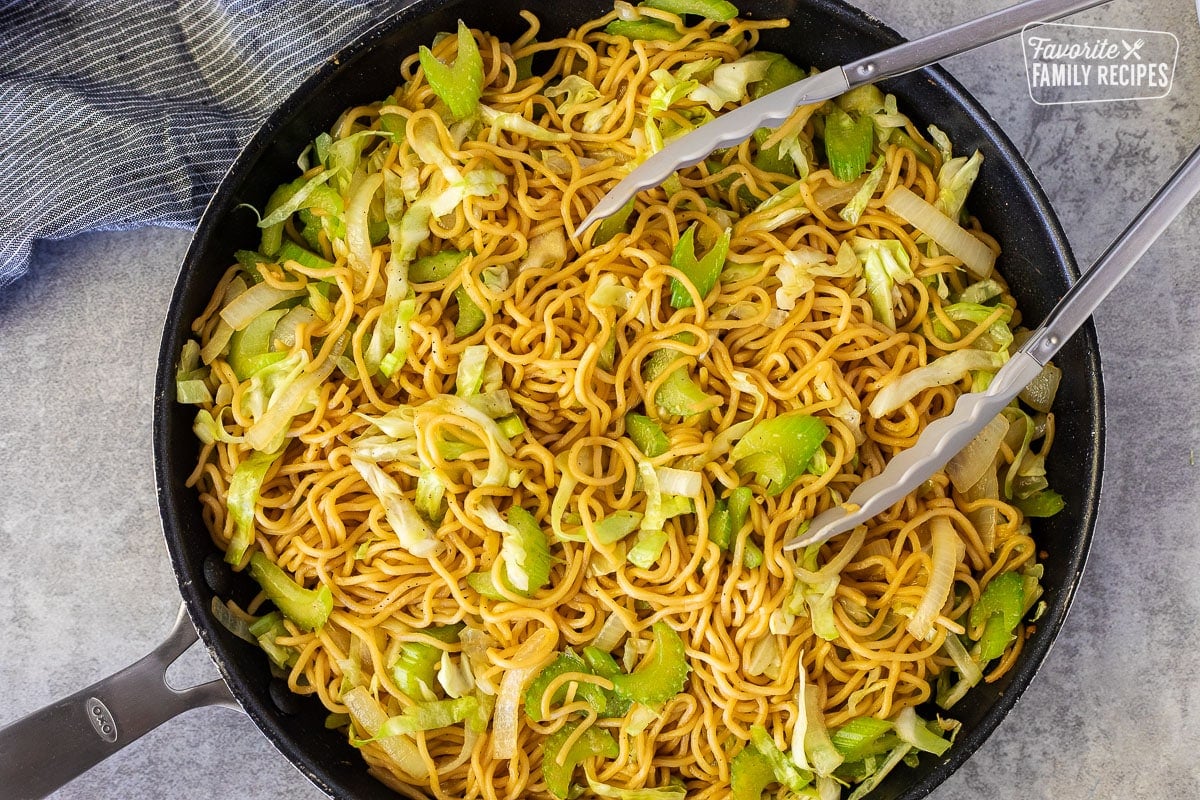
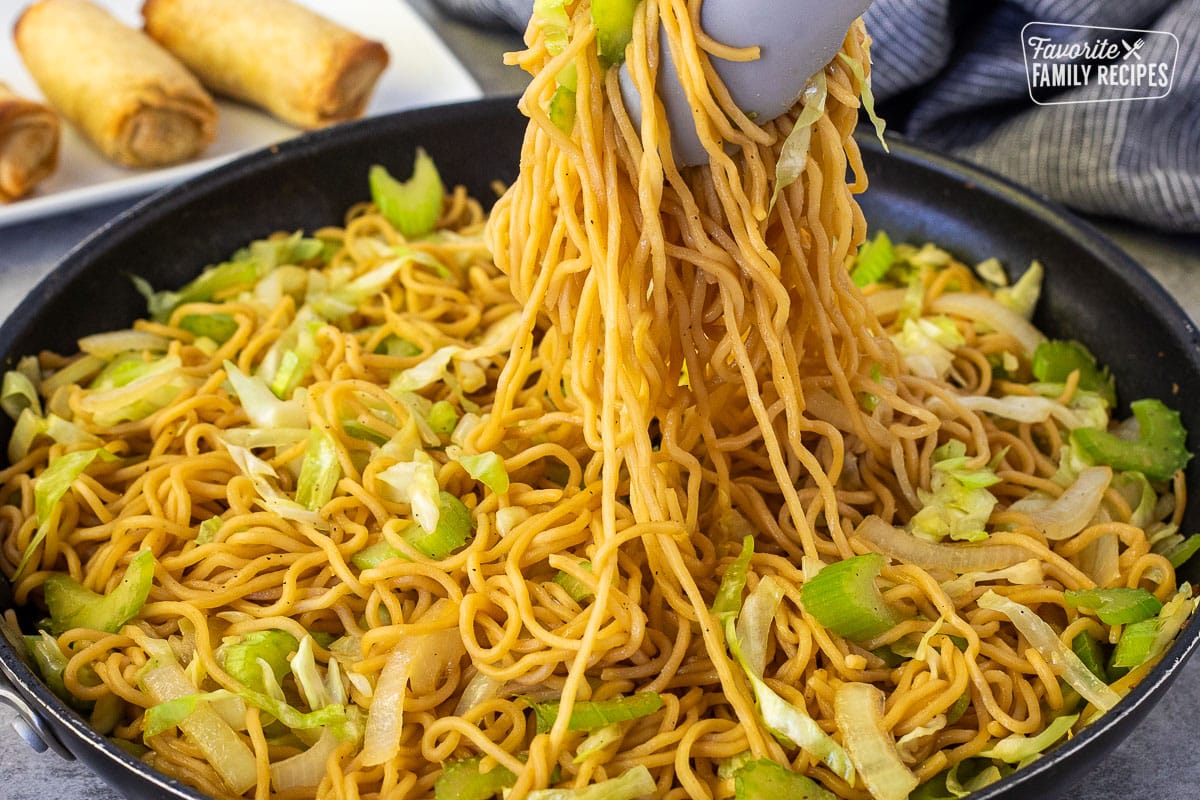
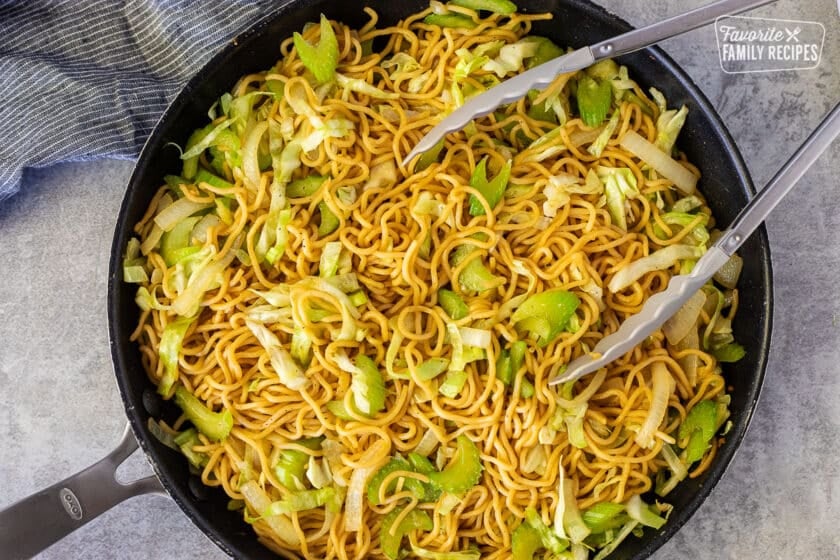
- Combine and Cook: Add the noodles and chow mein sauce to the wok or skillet. Stir constantly over medium-high heat for an additional 2 to 3 minutes or until the noodles are completely heated through.
Recipe Tips
- Use the right pan. A large wok or deep nonstick skillet works best so you have plenty of room to toss the noodles and veggies without crowding.
- Do not overcook the noodles. You want the noodles just heated through in the stir fry. Overcooking can make them mushy and cause them to break apart.
- Prep everything before you start cooking. Chow mein cooks fast. Have the sauce mixed, veggies sliced, and noodles ready so you can move quickly.
- Try a touch of sesame oil. A tiny drizzle of sesame oil at the very end can add a deeper flavor. Use it sparingly though since it can become overpowering very quickly. The recipe is delicious with or without it.
- Keep the veggies crisp tender. Do not cook the vegetables until they are limp. That little bit of crunch is what makes Panda Express Chow Mein so good.
- Make it more like lo mein if you prefer. For a saucier noodle dish, cook the noodles separately, double the sauce, and toss everything together off the heat for a lo mein style version.
Frequently Asked Questions
Not exactly. Chow mein is usually stir fried in a pan with a small amount of sauce, which gives the noodles a slightly oily, lightly crisp texture. Lo mein is typically boiled, then tossed with more sauce, so the noodles are softer and more saucy. Some people say Panda Express Chow Mein is closer to lo mein, but because it is stir fried with minimal sauce, I consider it true chow mein.
Yes. To make this recipe more like lo mein, boil your noodles separately until just tender and drain them. Double the sauce, then toss the cooked noodles, veggies, and sauce together. Serve immediately for a softer, slurpier noodle dish.
My favorite noodles to use are fresh yakisoba style noodles from the refrigerated section of the grocery store. Chinese egg noodles, lo mein noodles, or even ramen noodles without the seasoning packet work well too. If you cannot find those, thin spaghetti is a surprisingly good substitute.
Absolutely. Cooked chicken, pork, steak, shrimp, or tofu can be stirred in at the end. This is a great way to turn the side dish into a complete meal.
Yes. A bag of coleslaw mix is a great shortcut. It usually includes thinly shredded cabbage and sometimes carrots, which fit this recipe perfectly.
As written, this recipe is not spicy. If you like heat, add red pepper flakes, sriracha, or chili garlic sauce to taste.
The original Panda Express Chow Mein is not gluten free because of the soy sauce and wheat based noodles. To make this recipe gluten free at home, use gluten free noodles and swap in tamari or another gluten free soy sauce alternative. Always double check labels.

Make Ahead and Storage
- Make Ahead – You can slice the veggies and mix the chow mein sauce up to 1 day in advance, then store them separately in the refrigerator so when you are ready to cook, all you need to do is prepare the noodles and stir fry everything together.
- Storing – Let leftover chow mein cool to room temperature, then transfer it to an airtight container and store it in the fridge for about 4 to 5 days so you can enjoy easy lunches or quick sides throughout the week.
- Reheating – To reheat, warm the chow mein in the microwave, on the stovetop, or in the oven at 350°F until heated through, adding a small splash of water or soy sauce before reheating if the noodles seem a little dry so they stay moist and flavorful.
More Panda Express Recipes to Try
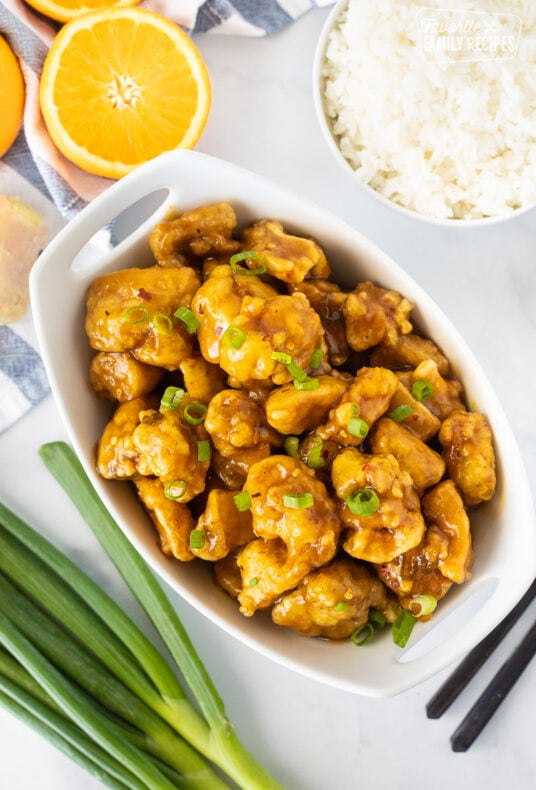
Pair this chow mein with some of our other favorite Panda Express-inspired recipes like Kung Pao Chicken, Chinese BBQ Pork or any of these other Panda Express recipes:
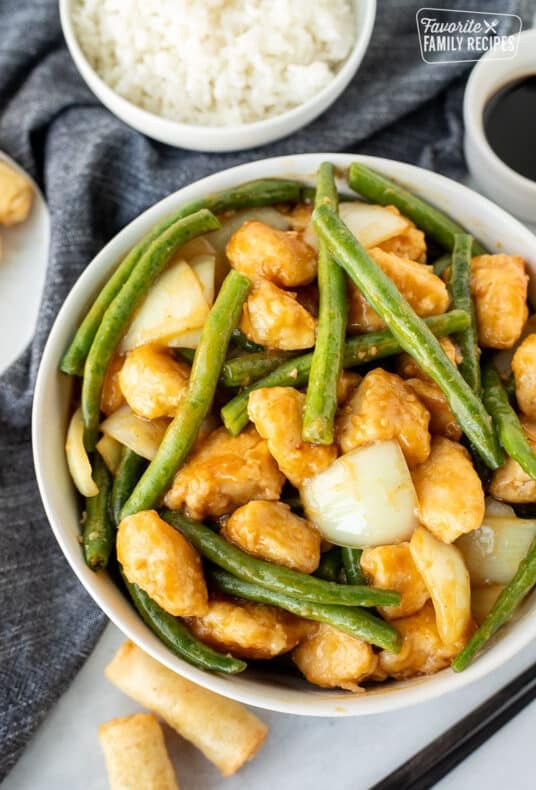

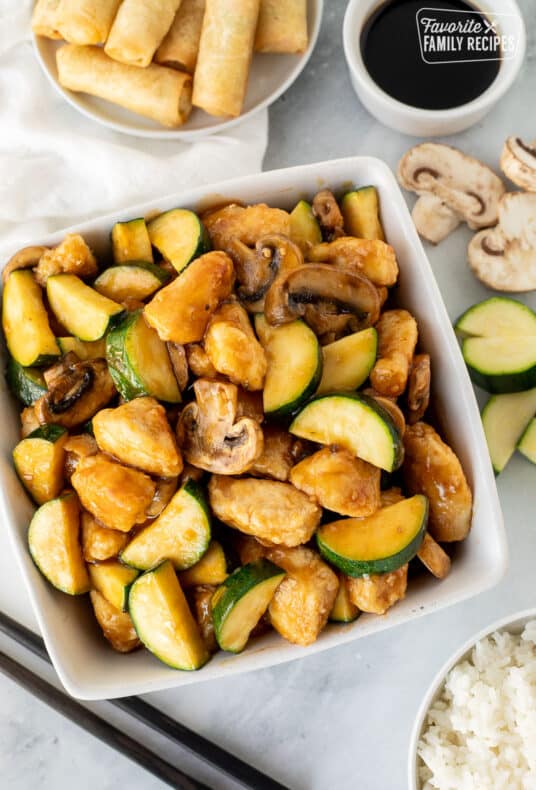
This Panda Express Chow Mein copycat recipe has become such a staple at our house. It is quick, budget friendly, and tastes just like the restaurant version. Ready to bring the taste of Panda Express to your kitchen? If you make this recipe, I would love to hear what you think. Please leave a rating, share your tweaks, and what you served it with in the comments so others can get ideas too. 💛🍜
Panda Express Chow Mein (Copycat)
Video
Ingredients
- ¼ cup soy sauce
- 1 tablespoon brown sugar
- 2 cloves garlic, minced
- 1 teaspoon grated fresh ginger
- ground black pepper, to taste
- 2-3 tablespoons vegetable oil
- 3 (5.6 ounce) packages Yaki-soba noodles or Chinese Egg Noodles (refrigerated), in the produce section of the grocery store. The 3 packages are sold together in one 17-ounce pack.
- ⅔ cup celery, chopped diagonally
- 1 medium onion, thinly sliced
- 2 cups chopped cabbage
Instructions
- In a small bowl, combine soy sauce, brown sugar, garlic, ginger, and black pepper. Set aside.

- Remove noodles from packages and discard included flavoring packets. Rinse noodles well, drain, and set aside.
- Heat oil in a large wok or skillet over medium heat. Add celery and onion and sauté for about 1-2 minutes or until onions start to become soft and transparent. Add cabbage and sauté an additional minute.
- Add noodles and soy sauce mixture to the vegetables. Stir-fry over medium-high heat for an additional 2-3 minutes or until noodles are heated through.
Equipment
- Large Wok
Notes
- Use fresh yakisoba or Chinese egg noodles for the closest Panda Express Chow Mein texture. Rinse and drain well so they do not clump.
- Do not overcook the noodles. Stir fry just until they are heated through to keep them from breaking or turning mushy.
- A large wok or deep nonstick skillet makes it easier to toss the noodles and veggies without spilling.
- Keep the vegetables crisp tender. They should soften slightly but still have a little bite for that classic chow mein feel.
- For a deeper, toasty flavor, you can add a very small drizzle of sesame oil at the end. Use it sparingly so it does not overpower the dish.
- To make a lo mein style version, cook the noodles separately, double the sauce, then toss everything together off the heat for a saucier noodle dish.
- This Panda Express Chow Mein keeps well in the fridge for 4 to 5 days. Add a splash of water or soy sauce when reheating to keep the noodles moist.
Nutrition
Nutrition information is automatically calculated, so should only be used as an approximation.
Love this recipe?
We want to hear from you! Please leave a review.

The recipe was easy to follow and sooo delicious! I developed a severe shrimp allergy and eating out became a game of Russian roulette. I was almost in tears being able to eat my favorite food at home. Thank you so much for the recipe!
I’m so happy to hear this recipe helped you enjoy Panda Express Chow Mein again. Thank you for your comment!
I would have appreciated if you had been more specific about the noodles. I purchased mine from the pantry aisle, and despite my best judgement, followed your recipe exactly and only rinsed them. I ended up with undercooked noodles. I know you say you can find them in the refrigerated section, but I think you should be more specific on why, and specify that the noodles need to be cooked. Great flavor though.
Thank you for letting us know we need to make this more clear! I will edit the recipe.
hi! just wondering, before i go to the store and get everything, was the recipe indeed updated according to how exactly to make the noodles? i just wanna make sure i have everything right before i attempt 😅
The recipe has been clarified so you know exactly what kind of noodles to use. Feel free to reach out if you have more questions about it!
Obviously the noodles have to be cooked, Gisela. Cmon use your noodle.
That’s exactly what I was thinking. Lol. I have made this recipe so many times its amazing and it even gets great reviews from my picky 14 year old boy! And that’s a big deal! Plus I think it’s cool you live in Meridian Idaho! I live in Boise so that’s cool we’re so close lol.
That is super cool! We are practically neighbors!
What is the serving size that the nutrition facts are based on? I am trying to log this into my nutrition app. Thank you.
The recipe is divided into 8 servings. Each serving is about 3/4 cup prepared.
Which noodles are the closest to the ones used at panda? I’m so picky but I love theirs!
The noodles that are in the refrigerated section that look like cooked ramen noodles will be your best bet. They will be the closest to Panda Express. Hope this helps!
I think this is a perfect copycat. The others are lacking flavor.I used the ramen refrigerated noodles which I like better.
Thank you for your comment! I’m glad you liked it!
I don’t understand about the noodles. It says to rinse the noodles well. Do you cook them and then rinse them well? Or do you just rinse the dry noodles? Do you rinse them with hot or with cold water? It seems like you’d have to cook them first. I would love to try this recipe but I just don’t understand about the noodles. Please explain.
The noodles aren’t dry when you get them in the refrigerated section. You will see that they are in a package and already pretty soft They just need to be rinsed under water for eh noodles to separate from each other. They aren’t hard noodles like dried ramen. Hope this helps!
Rinse after their cooked to stop the cooking process, then the noodles aren’t overdone by the finished product
Cook them first according to package directions. That confused me a bit too😁
I always think of Chow Mein as a take out meal we got 1 or 2 times a month. For one order, you got a bag of fried noodles and a small container of steamed white rice. Then in a larger container we got a thick sauce made with ground pork and chopped Celery and what ever flavors they put in the sauce. When you ate it you put the fried noodles on your plate and put the rice next to the noodles. Then you spooned the sauce over the noodles and Rice. Sometimes if you ordered chicken Chow Mein it still had the ground pork in it, but you’d get a little package of Shredded Chicken and some places gave you an even littler package of egg strips. I wish I had a recipe for the sauce that went over the noodles. That was take out Chow Mein.
That sounds delicious! Thanks for sharing!
Thanks for sharing this!!!! My husband loves Panda express’s chow mein, so we were trying to find the recipes. And I found yours!
I just tried to made it for our dinner tonight, and my husband LOVES it.
Thank you so much for your recipe!!!
I am so glad he liked it! Thanks for taking the time to come back and leave a comment! We have lots of Panda Express recipes so if you need more, we can help you out 🙂
Very good, easy, satisfying recipe.
What brand soy sauce do you use?
Kikkoman Soy Sauce is our go-to!
OOoops. *I meant don’t discard the noodle seasonings packages..
Great. I use this recipe all the time.
But don’t discard the noodle packages. You can use them sparingly to sprinkle on anything in other recipes!
I also add chicken and other veggies, from time to time, like peas and carrots,
But your ingredients are spot on. Thanks.
I did this recipe with ramen noodles turned out amazing super easy!
Loved this recipe. Sadly I forgot to rinse my noodles which led to them clumping – so everyone, DO NOT FORGET TO RINSE THEM. Otherwise would have been great.