
We may earn a commission when you click on the affiliate links in this post.
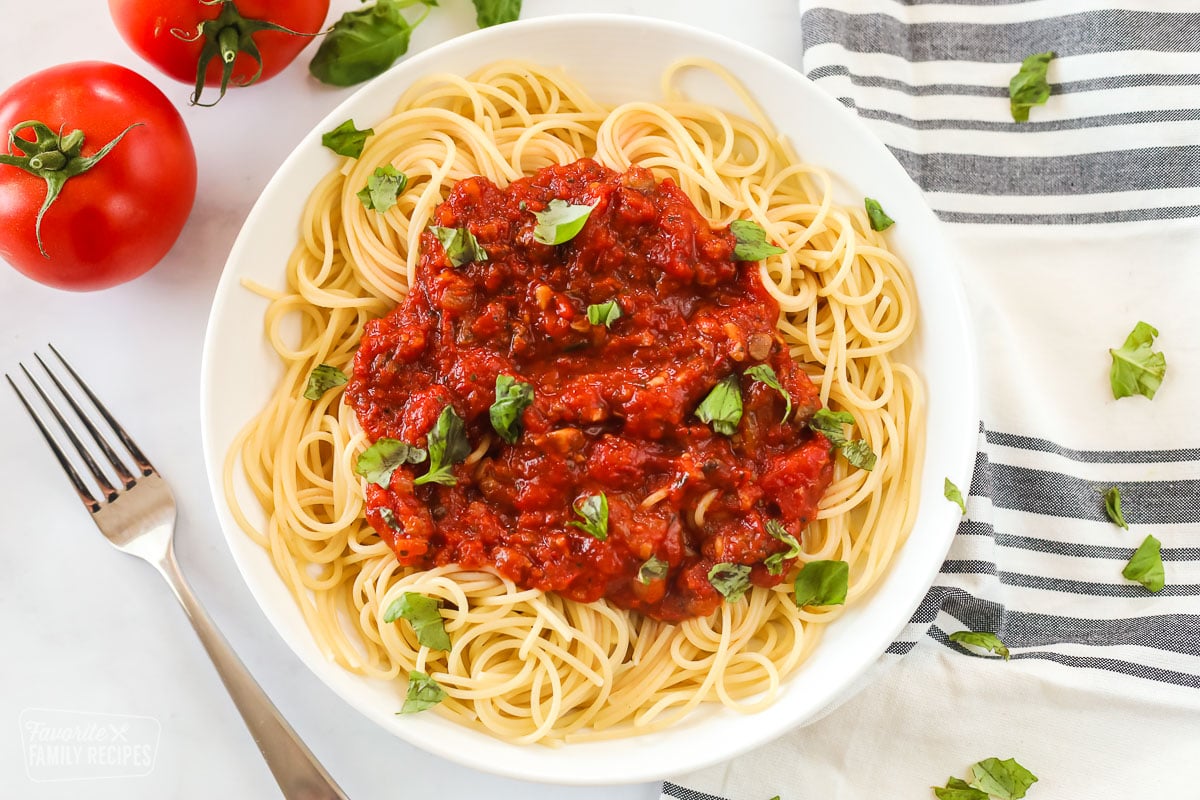
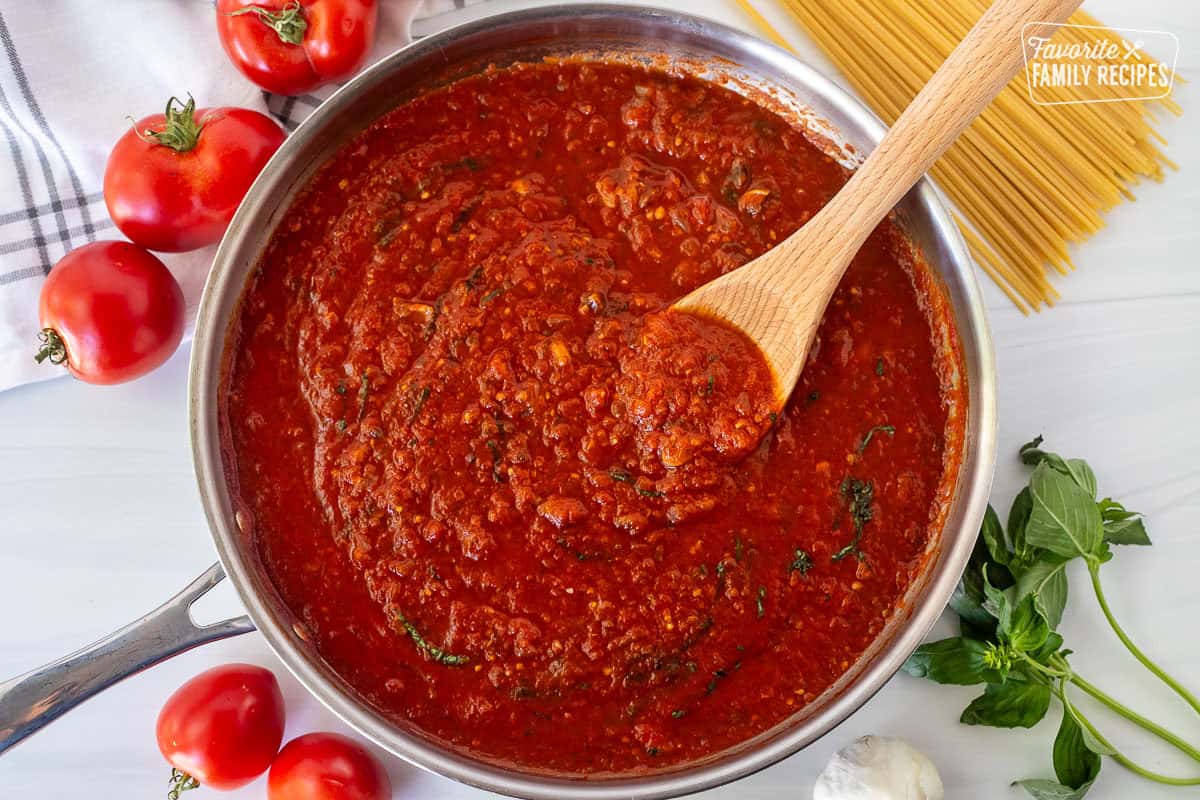
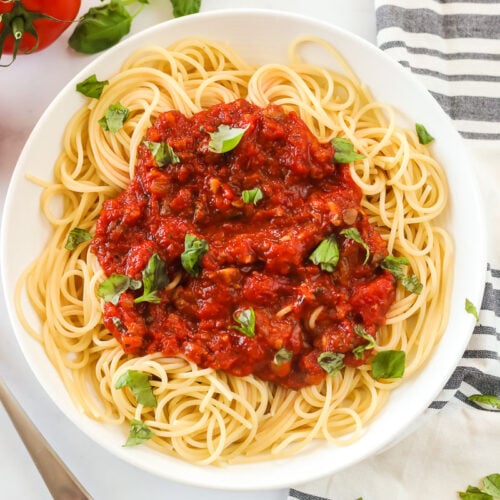
This Homemade Spaghetti Sauce with Fresh Tomatoes is one of the best ways to use ripe garden tomatoes. It is thick, hearty, and filled with onions, mushrooms, garlic, fresh herbs, and plenty of rich tomato flavor. Serve it over spaghetti, use it in lasagna, or make a double batch to freeze for an easy dinner later.
5 Star Reviews ⭐️⭐️⭐️⭐️⭐️
“My husband said it was the best pasta sauce I have ever made. The depth of flavor and simplicity was similar to what we experienced in Italy. It will be my go to recipe from now on.” – LuAnne
“By far the best sauce I’ve ever made. The soy sauce in the mushrooms adds a deep richness. You will never regret making this.” – Carolyn
“Absolutely love this recipe! 2nd time I’ve made it this summer, with the abundance of tomatoes my garden has produced. Thank You! This recipe is definitely a keeper.” – Cheryl
Why I Love This Sauce
I have been making homemade spaghetti sauce with fresh tomatoes for years, especially when our garden tomatoes are coming on faster than we can eat them. The flavor is so much fresher than sauce from a jar, and I love being able to adjust the texture and seasonings as it cooks.
The mushrooms give the sauce a hearty texture, and my little trick of adding soy sauce to the mushrooms brings out a rich, savory flavor without making the sauce taste like soy sauce. Fresh basil, oregano, garlic, and slowly simmered tomatoes finish it off. It takes a little longer than opening a jar, but most of that time is hands-off simmering, and the flavor is well worth it.
This sauce is also very flexible. You can keep it meatless, add ground beef or sausage, leave it chunky, blend it smooth, or roast the tomatoes first for even more concentrated flavor.
🩷 Erica
Table of Contents
- 5 Star Reviews ⭐️⭐️⭐️⭐️⭐️
- Why I Love This Sauce
- Ingredients You’ll Need
- Ingredient Additions and Substitutions
- Make It a Meat Sauce
- How to Make Spaghetti Sauce with Fresh Tomatoes
- Best Tomatoes to Use
- Roasting Fresh Tomatoes
- No Fresh Tomatoes? No Problem!
- Recipe Tips
- Frequently Asked Questions
- Troubleshooting
- Make Ahead and Storage
- Pairing Ideas
- More Homemade Pasta Sauce Recipes
- Homemade Spaghetti Sauce with Fresh Tomatoes Recipe
Ingredients You’ll Need
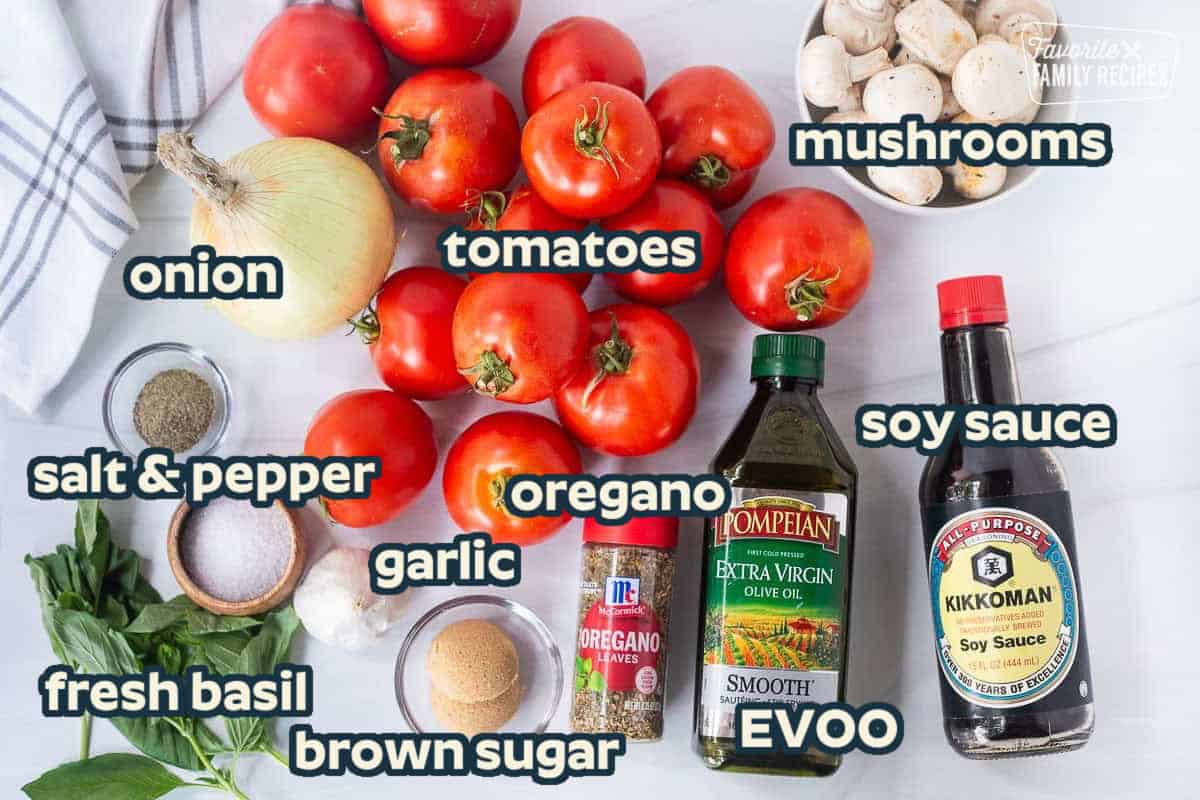
- Fresh tomatoes: Ripe garden tomatoes give this sauce its fresh flavor, but good-quality canned tomatoes will also work when tomatoes are not in season.
- Olive oil: Used to soften the onion and mushrooms and create the flavorful base of the sauce.
- Onion: A chopped yellow, white, or sweet onion adds a mild sweetness and savory flavor.
- Mushrooms: Fresh chopped mushrooms give the meatless sauce a hearty texture and rich flavor.
- Soy sauce: A small amount brings out the savory flavor of the mushrooms without making the finished sauce taste like soy sauce.
- Garlic: Freshly minced garlic adds the best flavor, but jarred minced garlic can be used when needed.
- Fresh herbs: Fresh basil and oregano give the sauce a bright, garden-fresh flavor.
- Brown sugar: Start with a small amount and add more only if the tomatoes taste especially acidic.
- Salt and pepper: Add these gradually and taste the sauce as it simmers.
Ingredient Additions and Substitutions
This fresh tomato spaghetti sauce is easy to adjust based on what you have in the garden or refrigerator.
- Bell peppers: Add chopped red, yellow, or green bell peppers with the onion.
- Carrots: Finely grated carrots add natural sweetness and help give the sauce more body.
- Zucchini: Stir in finely chopped zucchini for more vegetables and a chunkier sauce.
- Red pepper flakes: Add a pinch for a little heat.
- Red wine: Pour in a splash after sautéing the vegetables and let it simmer for a few minutes before adding the tomatoes.
- Tomato paste: Add one tablespoon at a time when you want a thicker or more concentrated sauce.
- Fresh parsley: Add chopped parsley with the basil or sprinkle it over the sauce before serving.
- Dried herbs: Substitute dried basil and oregano when fresh herbs are not available. Because dried herbs are more concentrated, use a smaller amount.
- No mushrooms: Leave them out or replace them with finely chopped bell peppers, carrots, or zucchini.
- Gluten-free option: Replace regular soy sauce with certified gluten-free tamari or gluten-free soy sauce.
- Vegetarian option: Keep the sauce as written and check that your soy sauce is vegetarian.
Make It a Meat Sauce
You can easily turn this into a hearty spaghetti meat sauce.
Brown about one pound of ground beef, ground pork, Italian sausage, ground turkey, or a mixture of meats. You can cook the meat with the onion or brown it separately and drain any extra grease before adding it to the sauce.
Continue with the recipe as written and let the meat simmer with the tomatoes and seasonings. The longer simmering time helps the meat flavor blend into the sauce.
You can also add cooked meatballs, shredded beef short ribs, or sliced Italian sausage. For another option, try our homemade meat sauce.
How to Make Spaghetti Sauce with Fresh Tomatoes
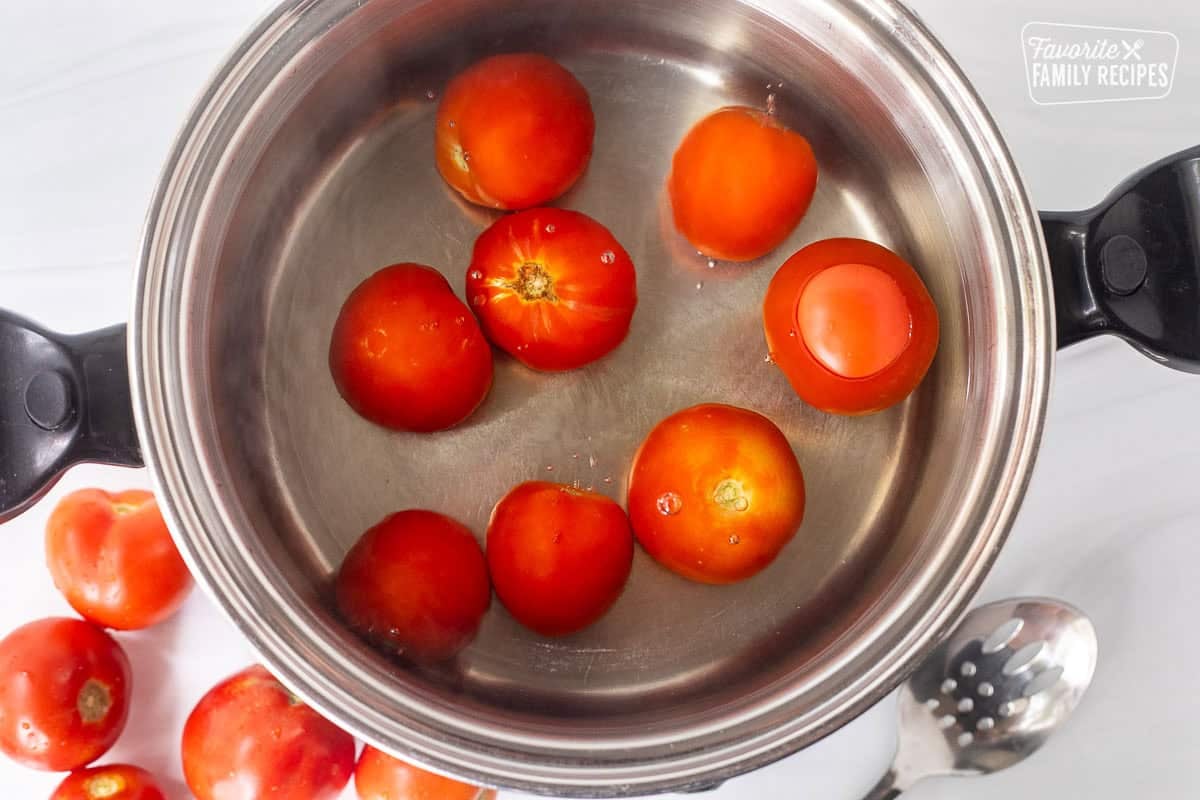
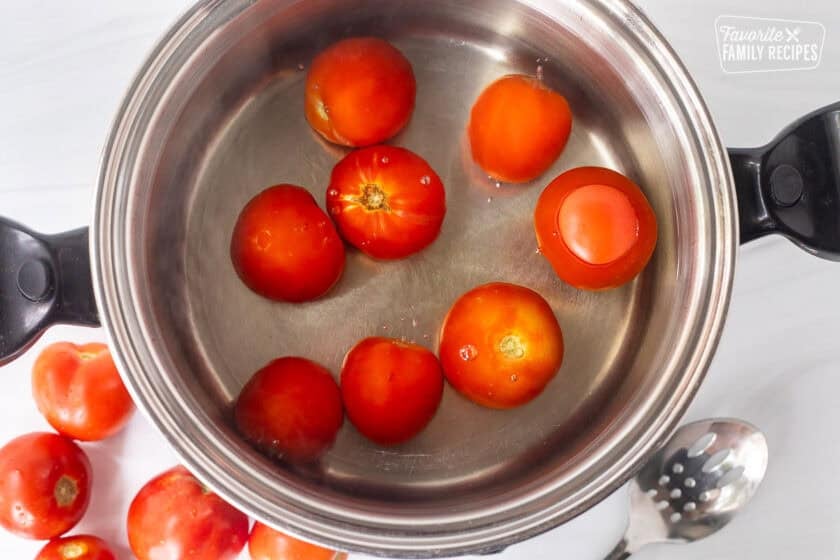
- Blanch the tomatoes. Cut a shallow X in the bottom of each tomato. Lower a few tomatoes at a time into boiling water and cook for 30 to 60 seconds, or until the skins begin to loosen. Transfer them immediately to a bowl of ice water.
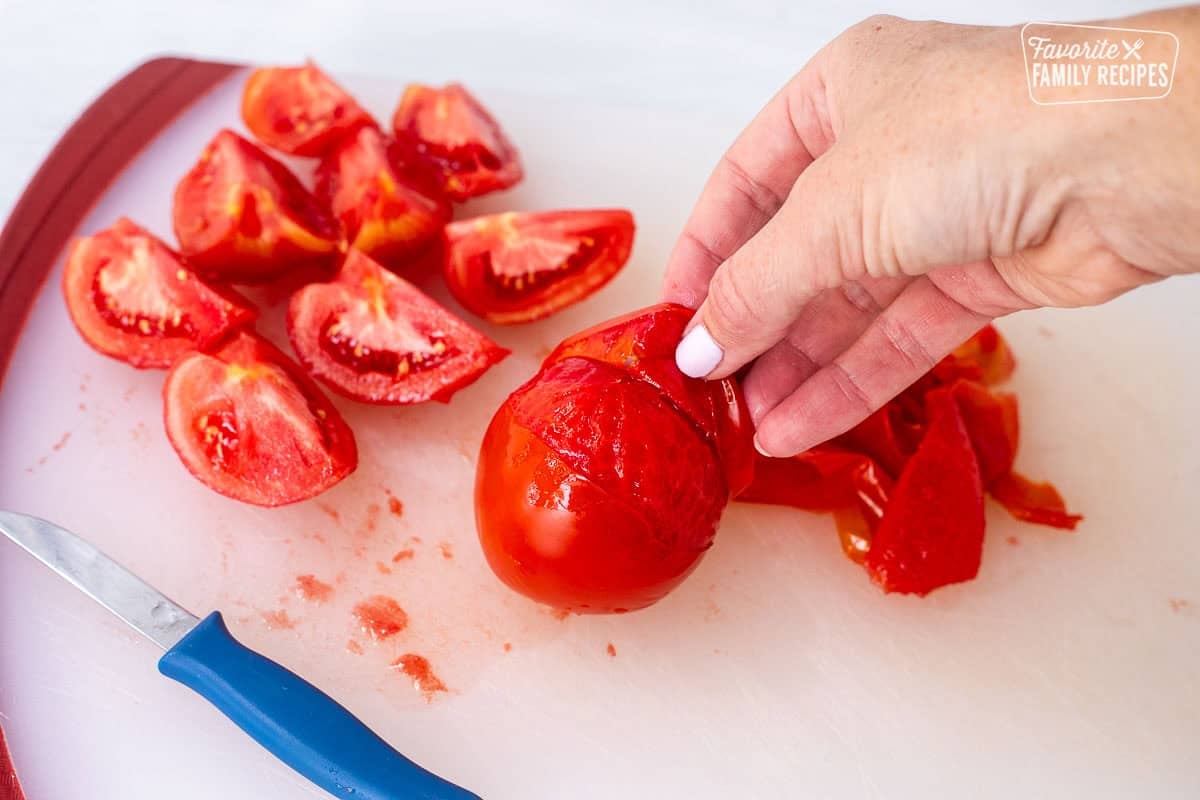
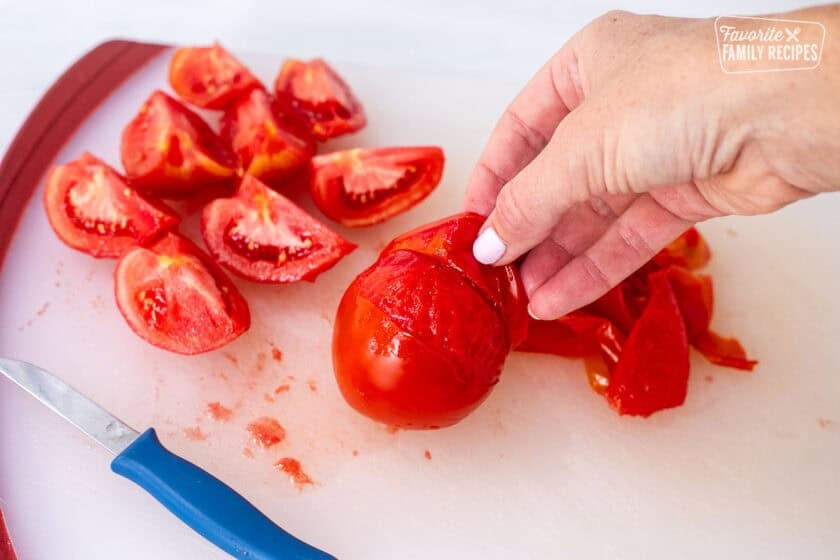
- Peel and crush the tomatoes. Remove the skins and tough stem areas, then cut the tomatoes into quarters. Pulse them a few times in a food processor or blender until they look like crushed tomatoes. Do not completely purée them unless you want a smooth sauce.
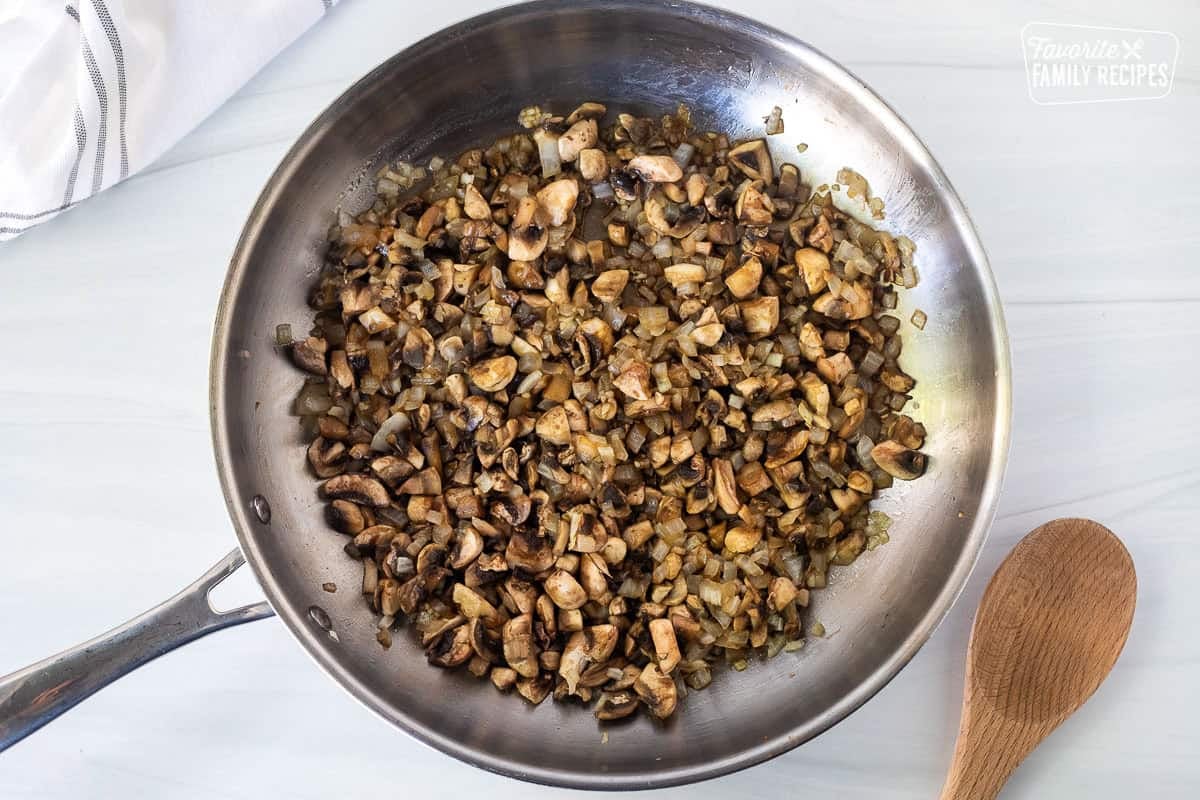
- Cook the vegetables. Heat the olive oil in a large, heavy pot. Add the onion and cook until softened. Add the mushrooms and cook for a few more minutes. Stir in the soy sauce and garlic, then cook just until the garlic is fragrant.
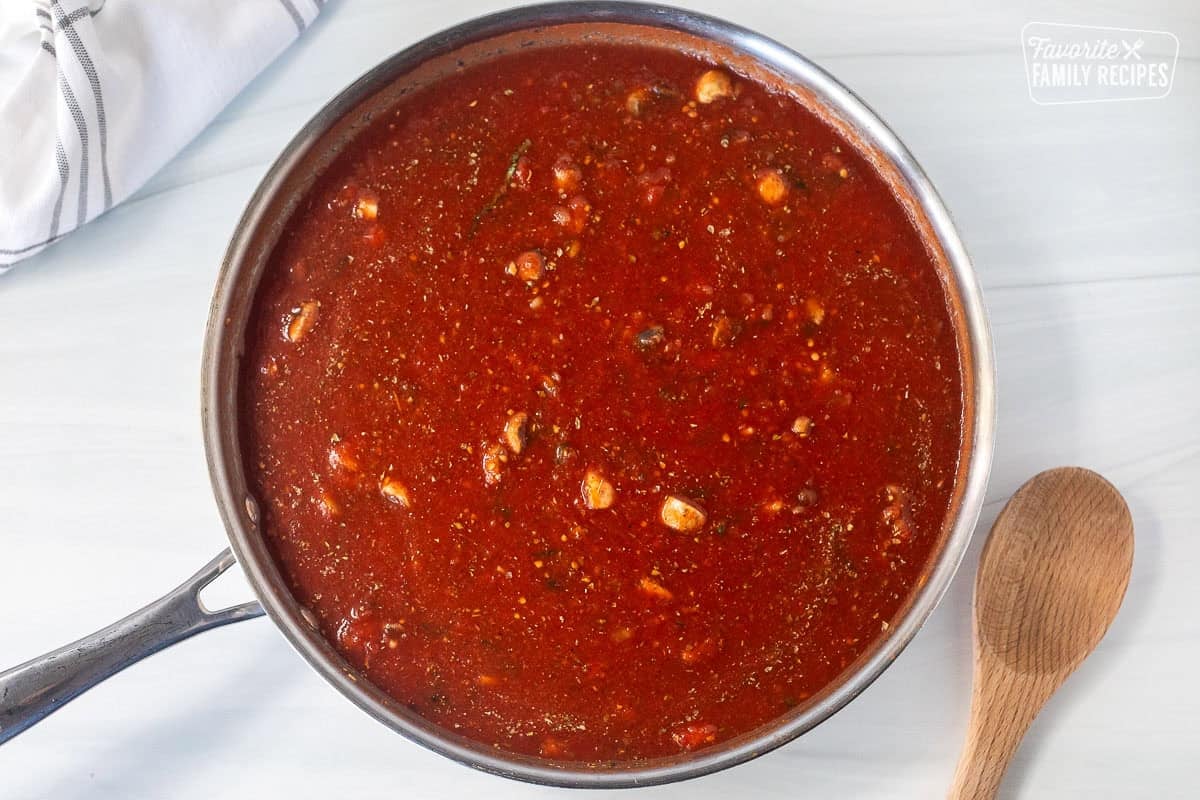
- Add the tomatoes and seasonings. Stir in the crushed tomatoes, basil, oregano, brown sugar, salt, and pepper. Bring the mixture to a gentle simmer.
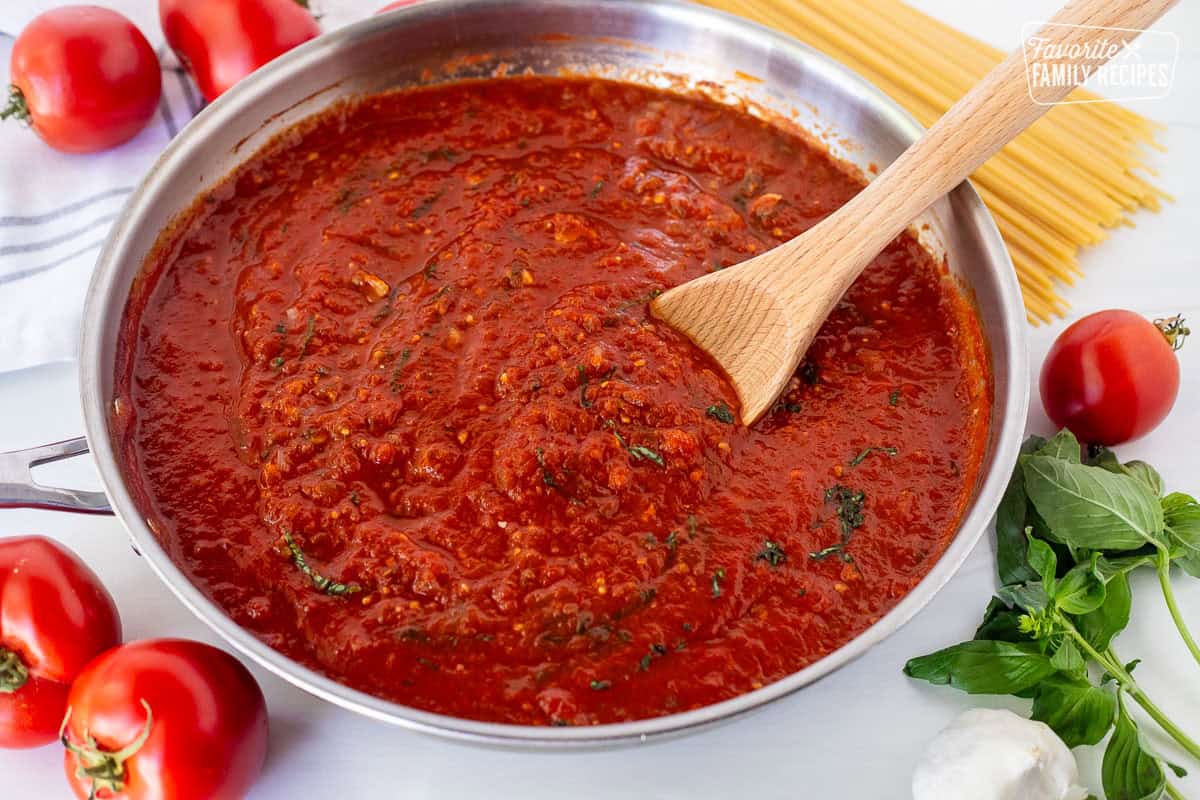
- Simmer the sauce. Cook uncovered for at least one hour, stirring occasionally and scraping the bottom of the pot. For a deeper flavor, simmer it longer. When simmering for more than two hours, cover the pot during the first hour, then uncover it so the sauce can reduce.

- Taste and serve. Taste the sauce and adjust the salt, pepper, sugar, or herbs as needed. Serve over hot pasta or use it in your favorite pasta recipe.
Best Tomatoes to Use
The best tomatoes for spaghetti sauce are ripe, flavorful tomatoes with plenty of flesh and not too much water.
- Roma or plum tomatoes are my first choice because they are meaty, have fewer seeds, and cook into a naturally thick sauce. Fresh San Marzano-style tomatoes are another good option when you can find them.
- Heirloom tomatoes add wonderful flavor, but some varieties contain more liquid. They may need a longer simmering time.
- Beefsteak tomatoes work well, especially when they are fully ripe, but they are usually juicier than Roma tomatoes. Combining them with paste tomatoes gives the sauce a good balance of flavor and texture.
- Cherry and grape tomatoes are naturally sweet and can be added to other tomato varieties. They are especially good when roasted first.
I often use a mixture of whatever ripe tomatoes are coming out of the garden. Tomato size and water content can vary quite a bit, so let the consistency of the sauce guide your cooking time.
For help growing your own tomatoes, take a look at our tips and tricks for growing tomatoes.
Roasting Fresh Tomatoes
Roasting the tomatoes first is optional, but it concentrates their flavor and brings out their natural sweetness. This is especially helpful when your tomatoes are juicy or a little less flavorful.
- Preheat the oven to 375 degrees F and line a large baking sheet with parchment paper.
- Cut the tomatoes in half. Scoop out some of the loose seeds and gel, then place the tomatoes cut-side down on the baking sheet.
- Roast until the skins blister and the edges begin to brown, about 30 to 45 minutes depending on the size and variety of the tomatoes.
- Pour any liquid from the baking sheet through a strainer and save it.
- Let the tomatoes cool enough to handle, then pull off the loosened skins.
- Add the roasted tomatoes and strained juices to the sauce pot and continue with the recipe.
Small cherry or grape tomatoes can be roasted with chopped onion, garlic, bell pepper, and a little olive oil. Their skins are thin enough that you can usually blend everything together without peeling them.
No Fresh Tomatoes? No Problem!
Home-grown tomatoes are delicious in this recipe but fresh, garden tomatoes can be hard to come by year-round. Whenever we can’t use fresh tomatoes, we always use DOP San Marzano Tomatoes. They are THE best alternative to homegrown tomatoes. We even use San Marzano tomatoes before resorting to store-bought tomatoes. For this recipe we use two 28oz. cans of tomatoes. We prefer using whole tomatoes as opposed to crushed tomatoes (most DOP tomato brands only come with whole tomatoes) and simply mash them with a potato masher as the sauce cooks down.
Recipe Tips
- Use a wide, heavy pot. A wider surface helps moisture evaporate so the sauce thickens more quickly.
- Choose very ripe tomatoes. Underripe tomatoes can make the sauce taste sour or flat.
- Do not overprocess the tomatoes. A few quick pulses will give you the texture of crushed tomatoes without turning them into juice.
- Cook the garlic briefly. Garlic can become bitter when burned, so add it after the onion and mushrooms have softened.
- Keep the heat low. The sauce should gently bubble rather than boil rapidly.
- Stir more often as the sauce thickens. Thick tomato sauce can stick and scorch on the bottom of the pot.
- Wait before adding all the sugar. Taste the tomatoes first, then begin with the smaller amount and add more only when needed.
- Salt gradually. Soy sauce already contains salt, so taste the sauce before adding the full amount.
- Blend for a smoother sauce. Use an immersion blender directly in the pot, or carefully blend part of the sauce and stir it back in.
- Add pasta water when serving. A small splash of starchy pasta water can help the sauce coat the noodles.
- Make a double batch. This sauce freezes well and makes an easy base for future pasta dinners, lasagna, and sandwiches.
Frequently Asked Questions
The soy sauce is added to the mushrooms rather than directly to the finished sauce. It brings out their deep, savory flavor, similar to the way I prepare sautéed mushrooms. The finished sauce should not taste like soy sauce. You can use low-sodium soy sauce, gluten-free tamari, or leave it out.
Simmer the sauce uncovered so excess water can evaporate. A wide pot will help it reduce more quickly. You can also add tomato paste one tablespoon at a time or blend part of the sauce with an immersion blender. Remember that the sauce will continue to thicken slightly as it cools.
Peeling the tomatoes gives the sauce a smoother texture, but it is not required. You can leave the skins on if you do not mind a more rustic texture. Blend the tomatoes well if you are keeping the skins.
No. I remove the rough stem area, but I do not usually remove all the seeds. You can scoop them out if you prefer a smoother sauce or if your tomatoes contain a lot of watery seed gel.
Yes. Sauté the onion, mushrooms, garlic, and soy sauce on the stovetop first. Transfer everything to a slow cooker and cook on LOW for 6 to 8 hours or HIGH for 3 to 4 hours. Leave the lid slightly cracked during the last hour if the sauce needs to thicken.
This particular recipe has not been tested for safe home canning, and it contains low-acid ingredients such as onions and mushrooms. Do not use it as a canning recipe. Use our tested canned spaghetti sauce recipe when you want shelf-stable sauce.
The final amount depends on how juicy the tomatoes are and how long you reduce the sauce. It generally makes about 5 to 7 cups, or approximately six 1-cup servings.
Yes. Fully ripe tomatoes may not need much added sugar. You can also add finely grated carrot with the onion for natural sweetness or add a splash of red wine. Taste the finished sauce before deciding whether it needs any sugar.
Yes. Granulated sugar will balance the acidity, but brown sugar adds a slightly deeper flavor. Begin with a small amount of either one and add more only as needed.
Marinara is usually a simpler tomato sauce made with tomatoes, garlic, herbs, and olive oil. Spaghetti sauce is a broader term and may include onions, mushrooms, vegetables, meat, or additional seasonings. This recipe is heartier than a basic marinara but can still be used anywhere you would normally use pasta sauce.
Yes. Add a splash of dry red wine after the onion and mushrooms have cooked. Let it simmer for two or three minutes before adding the tomatoes so the flavor has time to concentrate.
Troubleshooting
- The sauce is too thin: Continue simmering it uncovered. You can also add tomato paste one tablespoon at a time or blend some of the tomatoes into the sauce.
- The sauce is too thick: Stir in a small amount of water, broth, reserved tomato juice, or pasta cooking water until it reaches the consistency you like.
- The sauce tastes too acidic: Let it simmer longer, then add a small amount of brown sugar or finely grated carrot. Add only a little at a time and taste after each addition.
- The sauce is too sweet: Add more tomatoes, a pinch of salt, or a small splash of red wine or red wine vinegar to bring the flavors back into balance.
- The sauce tastes bland: It may need more salt, garlic, oregano, basil, or red pepper flakes. Tomatoes can vary greatly in flavor, so taste and adjust as the sauce cooks.
- The sauce is too salty: Add more unsalted tomatoes or a little water. Avoid adding more salt or soy sauce until the sauce has reduced.
- The sauce is sticking to the pot: Reduce the heat and stir more frequently. A heavy-bottomed pot will distribute the heat more evenly and help prevent scorching.
- The vegetables are too chunky: Blend the sauce with an immersion blender until it reaches the texture you want.
Make Ahead and Storage
This sauce is a great make-ahead recipe because the flavor gets even better after the ingredients have had time to sit together.
Allow the sauce to cool, then transfer it to an airtight container. Store it in the refrigerator for 3 to 4 days.
To freeze the sauce, cool it completely in the refrigerator first. Transfer it to freezer-safe containers, glass jars, or resealable freezer bags. Leave room at the top of rigid containers and jars because the sauce will expand as it freezes.
Freezer bags can be laid flat until frozen and then stacked to save space. The sauce can be frozen for up to six months, although the flavor and texture are best within the first three months.
Thaw frozen sauce overnight in the refrigerator. Reheat it in a saucepan over medium-low heat, stirring occasionally. Add a splash of water if it has become too thick.
Pairing Ideas
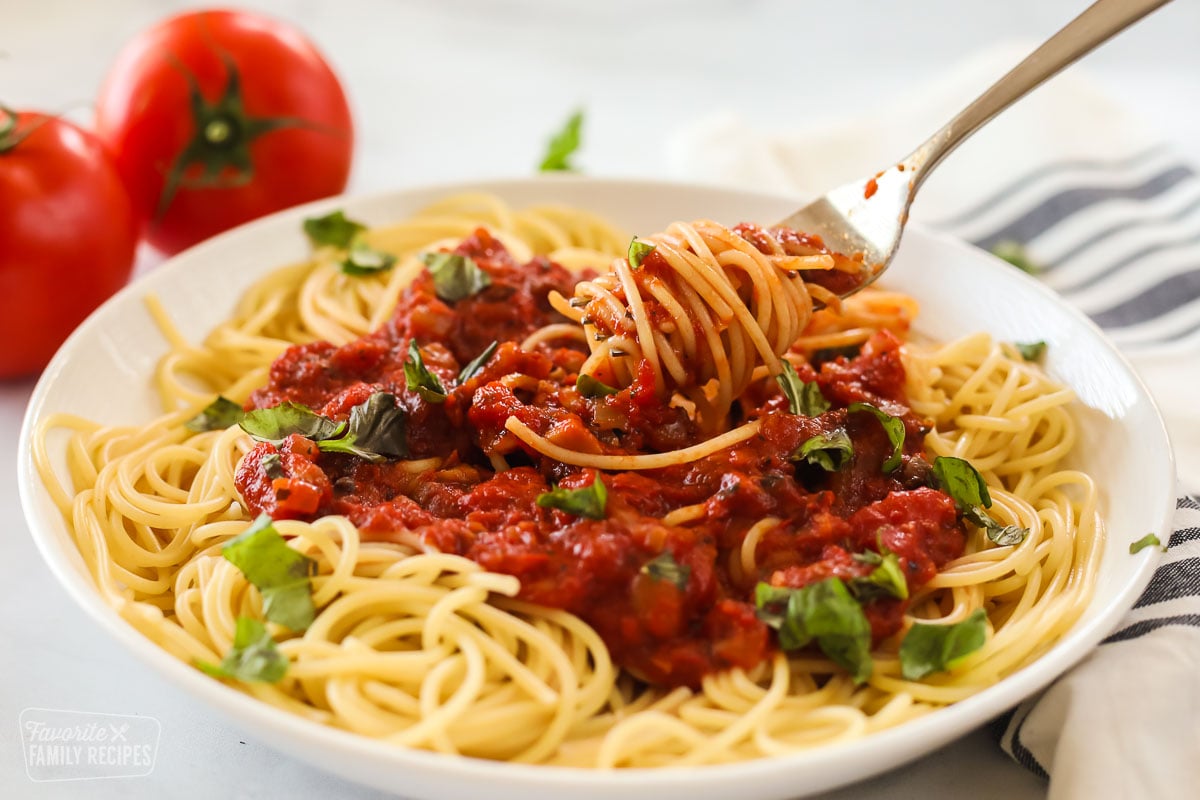
Serve this Homemade Spaghetti Sauce with Fresh Tomatoes over spaghetti with Olive Garden Salad, Loaded Cheesy Garlic Bread, or Oven Roasted Green Beans. You can also use it to make Meatball Sub Sandwiches or Chicken Parmesan Sandwiches.
More Homemade Pasta Sauce Recipes
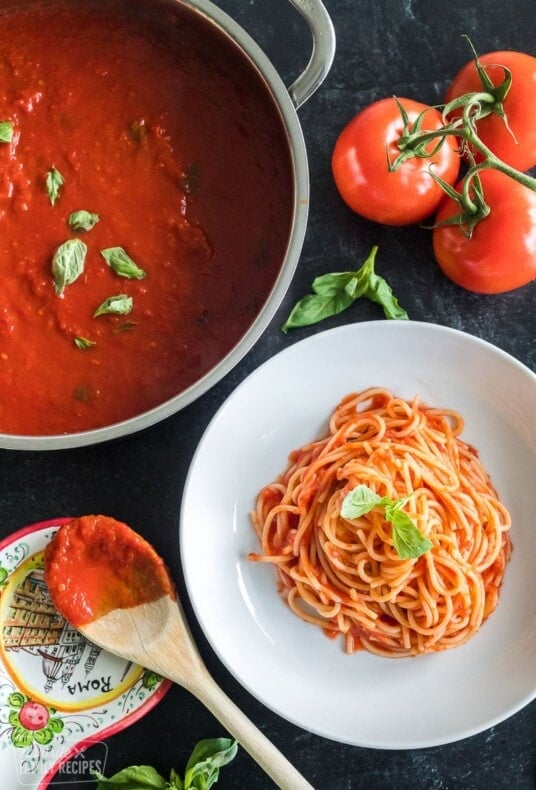
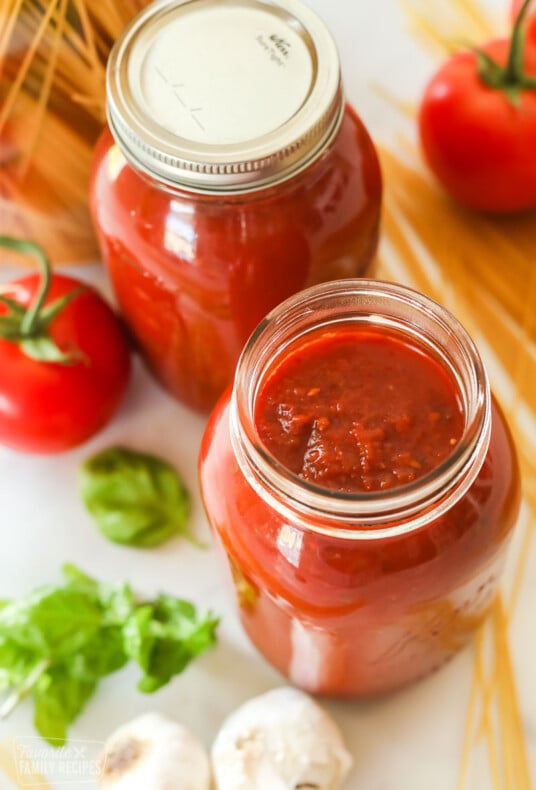
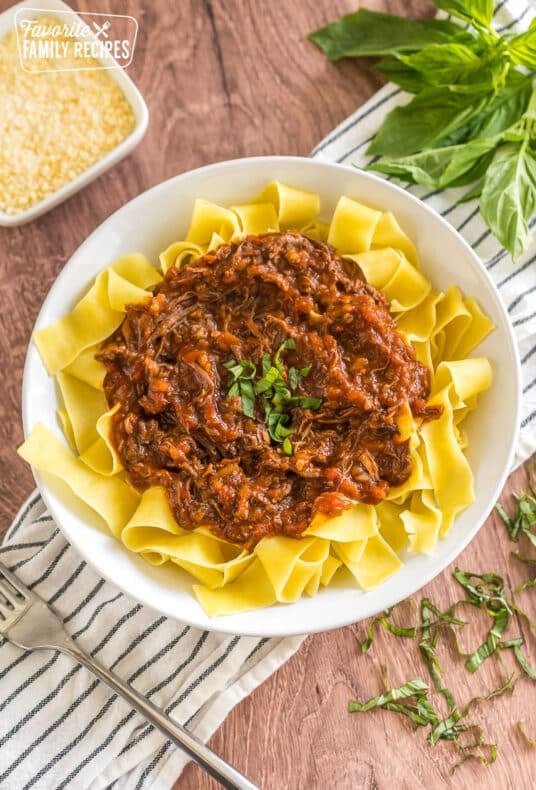
- Meat Sauce
- Homemade Pizza Sauce
- Marinara Dipping Sauce
- Ravioli Sauce
- Homemade Pesto Sauce
- Healthy Alfredo Sauce
- Browse All Our Italian Sauces
This fresh tomato spaghetti sauce is one of my favorite ways to use ripe garden tomatoes. Give it a try, then leave a comment and a rating below to let me know how you served it or what vegetables you added. 🍅🍝
Homemade Spaghetti Sauce with Fresh Tomatoes
Video
Ingredients
- 12-14 tomatoes, (fresh, garden tomatoes work best- appx. 6-8 lbs. You can also use two 28oz. cans of San Marzano tomatoes)
- 2 tablespoons olive oil
- 1 large onion, chopped
- 8 ounces mushrooms, fresh, chopped
- 2 teaspoons soy sauce, (see notes above)
- 6 cloves garlic, minced
- 10-12 basil leaves, chopped
- 1 tablespoon oregano, finely chopped
- 1-2 tablespoons brown sugar, (start with 1 tablespoon, taste, and add more as you go along as needed)
- 1 tablespoon Kosher salt, (or to taste)
- 1 teaspoon pepper, (or to taste)
Instructions
- Bring a large pot of water to a boil and prepare a large bowl of ice water. Cut a shallow X in the bottom of each tomato. Place a few tomatoes at a time in the boiling water for 30 to 60 seconds, or until the skins begin to loosen.
- Immediately transfer them to the ice water. Peel the tomatoes and remove the tough stem areas. Cut the tomatoes into quarters and place them in a food processor or blender. Pulse a few times until they reach the consistency of crushed tomatoes. Do not overprocess. Set aside.
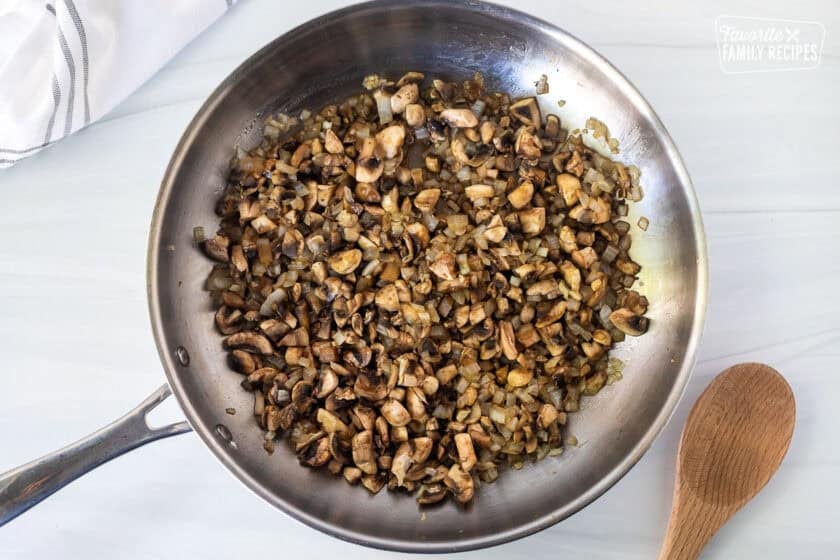
- Heat the olive oil in a large, heavy pot over medium heat. Add the onion and sauté until softened and translucent. Add the mushrooms and cook for 2 to 3 minutes. Stir in the soy sauce and garlic and cook for another 30 to 60 seconds, or until the garlic is fragrant.
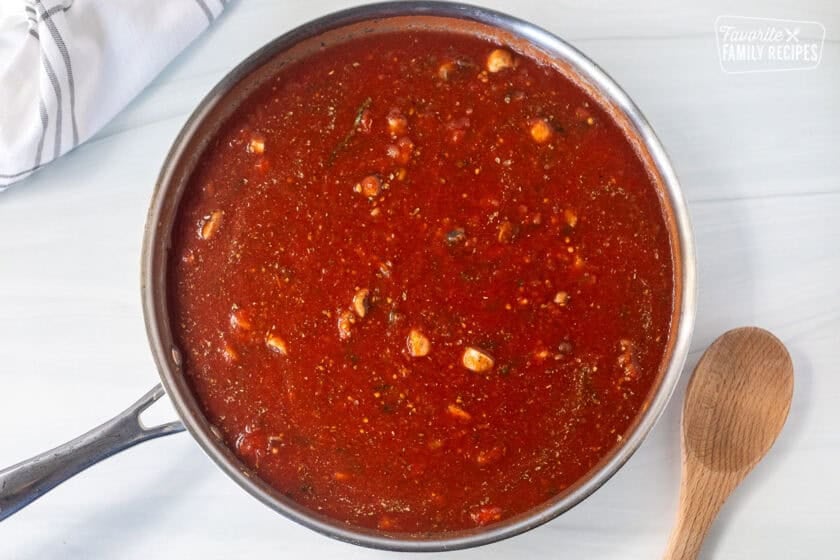
- Add the crushed tomatoes, basil, oregano, 1 tablespoon brown sugar, salt, and pepper. Stir well and bring the sauce to a gentle simmer.
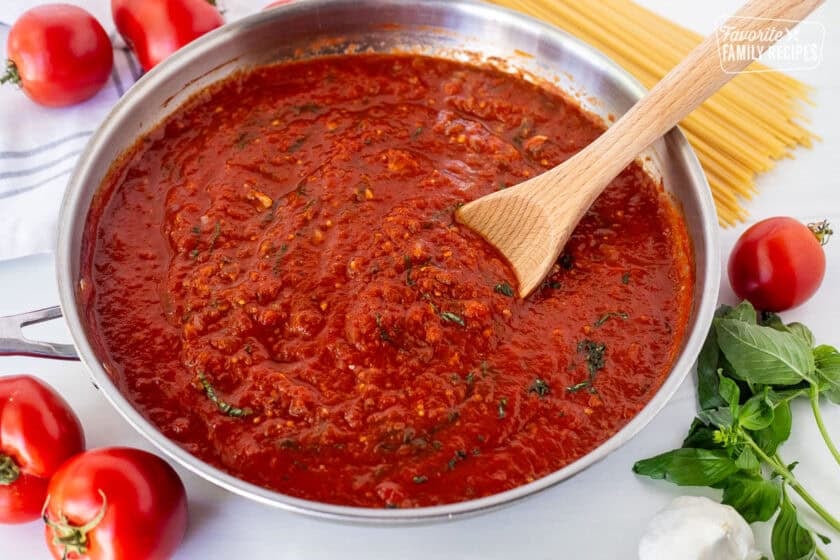
- Simmer uncovered for at least one hour, stirring occasionally and scraping the bottom of the pot. Taste and add more brown sugar, salt, or pepper as needed. When simmering for two hours or longer, cover the pot during the first hour, then uncover it and continue cooking until the sauce reaches your preferred thickness.
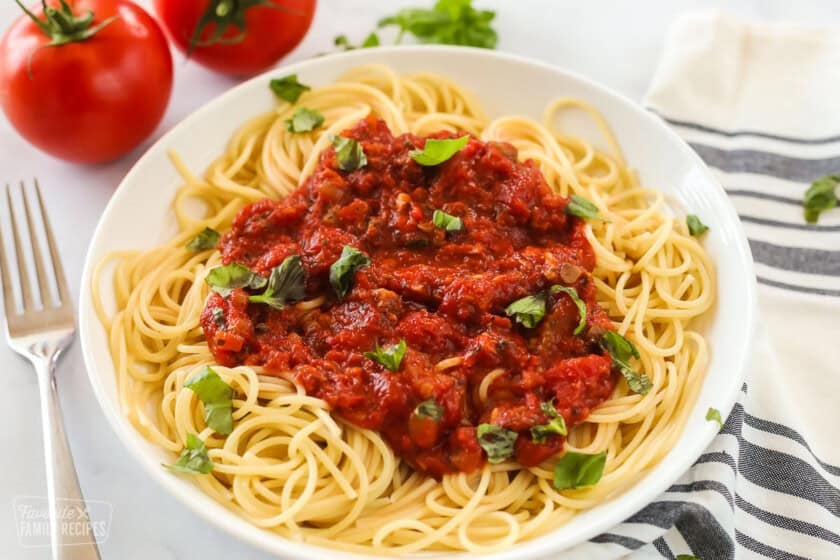
- Taste once more and adjust the seasonings. Serve hot over cooked pasta or use in your favorite pasta dish.
Notes
- Tomato size, sweetness, and water content vary, so adjust the simmering time and seasonings as needed.
- For a chunky sauce, pulse the tomatoes only a few times and coarsely chop the vegetables.
- For a smooth sauce, blend the finished sauce with an immersion blender.
- If the sauce is too thin, simmer it uncovered longer or add tomato paste one tablespoon at a time.
- To make meat sauce, brown one pound of ground beef or sausage with the onion, drain any excess grease, and continue with the recipe.
- Two 28-ounce cans of whole or crushed tomatoes can be substituted for fresh tomatoes.
- For the slow cooker, sauté the vegetables first, then cook the sauce on LOW for 6 to 8 hours or HIGH for 3 to 4 hours.
- This recipe has not been tested for home canning. Use a tested canning recipe when making shelf-stable sauce.
- Refrigerate leftovers for 3 to 4 days or freeze in airtight containers for up to six months.
Nutrition
Nutrition information is automatically calculated, so should only be used as an approximation.
Love this recipe?
We want to hear from you! Please leave a review.

I have a suggestion for those who don’t mind the extra time it might take. I started roasting my fresh tomatoes last year for canning and wow! what a difference that made! The natural sugars come out and it also concentrates the tomato flavor. I cut them in half, remove as much of the seeds/gel as possible into a strainer with a bowl to catch the juices and then place the halves cut side down on a large cookie pain (I place parchment paper down first). Even though you remove a lot of the seeds/tomato get before roasting, you will get a lot of liquid from roasting. Save it all and strain it. Roast the tomatoes until the skins start turning color. I can’t remember what temperature I used but I believe between 350 and 400. When the skins are browned, I remove the tray from the oven and drain the liquid into the strainer with the seeds/gel. Let the tomatoes cool somewhat and remove the skin. I find it is easier to remove the skins while they are still pretty warm. You can then add the tomatoes and the strained liquid/gel to the pot and process them the way you would for sauce or canning. You have eliminated the majority of the seeds that way as well as the skin. The roasting concentrates the tomato flavor remarkably. I won’t process my tomatoes for canning any other way after tasting the difference in the final product. If using fresh tomatoes processed this way for this recipe, you may not need to add any sugar…it makes that much of a difference! Roasted Sun Golds are like candy after halving and roasting. I just half those, add chopped onion and garlic, red bell pepper, and some olive oil. Those I roast at about 325 since they are small and the skins are thin. No need to remove seeds or skins…just whiz in the food processor or using a stick blender. You can add whatever spices you want to finish the sauce off…Mexican, Italian, etc. I’m serious about that Sungold sauce…you can eat it by the spoonful after roasting! No meat or spices needed!
Thank you so much for this suggestion, Diana. Since we won’t have garden tomatoes in the fall, I won’t be able to try this myself until then. I added your comment under the “suggestions” section of the post so all of our readers can see it. This sounds so delicious, I can’t wait to try it!
I think you will be shocked at how concentrated the tomato flavors become by roasting them. I certainly was! I originally was looking for a way to use a huge number of Sungolds and stumbled across the recipe for roasting them. It turned out so well that I thought about applying that method to regular tomatoes that I was going to can. My aunt and my mom requested that I can for them this past summer (they’re in their mid-80’s) and I was happy to do it for them. My aunt has not stopped raving about how great the canned tomatoes turned out, especially when used for spaghetti sauce. It is time-consuming and more hands-on, but I believe worth every minute of it, especially in those months when you’re longing for a good tomato taste in the dead of winter…lol! I think you will be very happy with the results! You can always try making a trial run and then make a fresh tomato sauce with that method. Because you roast the tomatoes, you don’t have to spend a long time simmering it later. I’d love to know what you think after you try that method! It made a day and night difference for me.
Hello,
If I want my sauce to be spicier, what’s the best spice for that?
Thank you!
When I want a spicier spaghetti sauce I usually use dried red pepper flakes! That seems to match the spice profile the best.
Such a great recipe! I used fresh tomatoes from my garden and it was a hit. My only suggestion was to remove the brown sugar as they found the sauce a little too sweet. I added cooked ground chicken to the recipe but I have way too much sauce now. How long can I freeze it for?
You can freeze it for 4-6 months! Thanks for the 5-star rating!
What type of tomatoes would you recommend to use with this recipe. I will be trying it but will need to purchase the tomatoes from the store. Any recommendation is appreciated. I was thinking due to the meatiness to use Roma but then to add another variety for a bit more depth. Not sure which would be best.
We’ve found that the best substitute for fresh tomatoes is 2 cans of canned crushed tomatoes.
Thank you! I actually made this recipe yesterday from Roma tomatoes. I found the prep time to be much much longer than what was shown when you include the peeling of the tomatoes, etc. The simmer time is not near long enough, even at 2 hrs. I cooked for 3 hrs yesterday, then placed in fridge overnight and started it up again today. I still thought it was a bit too bland for me and it could be just because the tomatoes may not have been the richest/sweetest ripened as they were purchased from the store. I ended up doctoring it later this afternoon to get it finished. I added some canned paste, used my blender to cream up about 4 ladles of my mixture, then added it back. I then added some canned tomato sauce as well as a splash of Red wine, more spice, 2 chicken bouillon and 1 beef bouillon cubes to flavor a bit deeper. I do appreciate the recipe base and I’m sure I it must have been the tomatoes — I just was not getting the richness I desired.
Having made this recipe with homegrown tomatoes, I’m pretty sure that was the problem. With homegrown tomatoes, it’s beautiful. I can definitely see how canned tomatoes would not work as well, though — there’s not enough juice to be able to let them cook down as long.
If you can get hold of homegrown, though, do try it — it’s worth it.
Can I freeze this? Making it today and have tons of tomatoes from my garden.
Yes! Put it in a freezer safe Tupperware-type container, a large freezer-safe Ziploc bag or a glass jar. If you do go the glass jar route, make sure to leave an inch or two of space at the top of the jar so the sauce doesn’t expand and break. When freezing, make sure to cool the sauce completely in the fridge before freezing.The sauce will stay nice and fresh in the freezer for up to six months.
Haven’t made it yet, but I have noticed that you never comment on removing the seeds from the tomatoes. Do you remove the seeds before processing?
Nope, we don’t remove the seeds. We don’t even really notice them. You can remove them if they bother you though!
Delicious!!!
Thank you for giving me the confidence to try spaghetti sauce with fresh tomatoes. I have always used Prego or made sauce from “scratch” with canned tomatoes and sauce. The tomatoes were so liquidy after processing I thought it would take all day to boil down to a sauce, but less than one hour at high heat worked great. I had 1/2 beef 1/2 Italian sausage in with it. It’s simmering now for dinner tonight!
So glad you took the leap and made it with fresh tomatoes. It makes all the difference, right? Thank you so much for the kind comment and for the 5-stars! What a compliment!
Absolutely Hearty & Delicious!! The tip on adding the soy sauce was brilliant as it brought out the best in the chopped mushrooms. Would highly recommend!!
Thanks Lena! So glad you liked this sauce. I’m so glad you didn’t leave out the soy sauce, it makes such a huge difference!
When simmering sauce, should I put lid on or keep off.
You will want to keep the lid off so it can reduce. With the lid on, it will gather condensation and drip back down into your sauce and it won’t reduce. Hope this helps!
How much sauce do you get from 8-10 lbs of tomatoes? Is that the same amount as 5 jars of store bought spaghetti sauce? (I know this one will taste 100 times better, I’m just trying to compare apples and apples.)
It really depends on how much the sauce is reduced and if you are weighing the tomatoes before or after you are peeling them… you should get close to 3-4 store-bought sized jars with 8-10 lbs. Hope this helps!
Hello! Is the high sodium from the soy sauce? I’m trying to make from scratch as much as possible due to 1 kidney. Thank you.
You can use low-sodium soy sauce if you are concerned. It does raise the sodium levels a bit. Hope this helps!
I made this today from our garden tomatoes. I have tried several recipes before. I was skeptical about a few of the ingredients, but I was so wrong. This was the MOST AWESOME sauce I have ever tasted. I cut the brown sugar in half but didn’t change anything else. Thank you! I will definitely make this again.
Hi Karen- I am so happy to hear you liked this recipe! Thank you for trusting me 😉 Thanks for taking the time to come back and comment, and thank you so much for the 5-stars! 😀
Hello – If I use canned crushed tomatoes do I still simmer for two hours?
Even if using canned tomatoes, I would still simmer as long as you can, just so those delicious flavors have a chance to cook together and combine. Hope this helps!
Super awesome/simple recipe! I’ve made many marinara recipes, and this is by far my family’s fave…Thank you!!
So glad you and your family enjoyed it! We are honored that of all the recipes you have tried, our was your favorite! Thank you! You made my day 🙂
I haven’t made this yet. I was wondering, if I leave out mushrooms should I also leave out the soy sauce?
You can go either way. They purpose of the soy sauce it to enhance the flavor of the mushrooms but it also brings out the flavor in the tomatoes. Totally up to you!
Can I jar this?
Yes, you can pressure can this or if you want to use a water canner you will want to actually use this recipe:
https://www.favfamilyrecipes.com/canned-spaghetti-sauce/
This has been tried and tested for canning and is just as delicious!
Can I add meat like sausage and ground beef or will it take away from the original flavor
Meat is a great addition to this sauce! We don’t recommend canning the sauce with meat in it, but you can make it and eat it fresh or freeze it with the meat. Hope this helps!
Why am I using brown sugar?
It helps balance out the flavors and makes it taste more rich. You will love it, I promise!
Hi can I use regular sugar instead of brown sugar?
You can, but we find that the brown sugar gives it a richer taste!
If fresh herbs were are not available, would dried be okay? I searched the grocery stores and no fresh was available anywhere….making this today since I have garden tomatoes that need to be used up before they go bad.
Yes, you can definitely use dried! I only use the fresh herbs because they are readily available. You are fine just using whatever you have on hand. Dried will be great. 😀 Hope this helps!
I would just recommend, if using dried herbs, to use half as much as the “Fresh” amount.
I have a clarifying question before I make this. What is the amount of tomatoes in pounds? This measure is much easier because of variation in size of tomatoes. I know you have 10-12 pounds of tomatoes written, but that can’t be right. I am making tomato sauce right now from 4 lbs of tomatoes and I used about the same amount that you listed.
It really depends on the size of your tomatoes. In the recipe card we have 8-10 lbs of tomatoes. The measurements provided are also the weight pre-peeled. This recipe is extremely forgiving– you can use a variation of tomato amounts and still be totally fine. Hope this helps!
I’ve tried making sauce from fresh tomatoes before and wasn’t impressed. I tried this recipe because I have so many tomatoes. It was delicious. My family loved it also. Definitely keeping this recipe. Thank-you
I’m so glad you and your family love this recipe as much as we do! Thank you for sharing your success!
My local farmer had “pick your own vegetables” day so I stocked up on tomatoes, eggplants, and peppers. Trying this recipe was my first attempt at making homemade spaghetti sauce and it turned out perfect! I made a double batch and let It simmer for 8 hours. It was so thick and flavorful. I will never use jarred sauce again! I had it with breaded eggplant and vegan meatballs. Thanks for sharing this recipie!!
So so glad to hear you liked this spaghetti sauce! The best way to use up garden tomatoes IMHO 😉 love your idea of sides, too! That sounds delicious!