
We may earn a commission when you click on the affiliate links in this post.
This Lemon Meringue Pie Recipe has a smooth, tart lemon filling, a flaky pie crust, and a fluffy meringue topping with lightly golden peaks. It’s an old-fashioned family favorite made with real lemons, and I’ll show you how to get the filling thick, the crust crisp, and the meringue just right.

5-Star Reviews
“Very easy recipe to follow.” – Dyann
“it was fantastic!” – Brook
“really it is good and beautiful with the tall meringue” – Frankie
A Treasured Family Recipe
This lemon meringue pie is one of our mom’s recipes, and it’s been a favorite in our family for as long as I can remember. We grew up eating it, and our dad still requests it for Thanksgiving, Sunday dinners, and even his birthday. In fact, it’s replaced his birthday cake more than once!
What makes this pie so good is that tart lemon filling with the sweet, fluffy meringue on top. I love the combination, especially with a flaky homemade crust. It takes a little extra care to get the layers right, but it’s absolutely worth making.
💛 Emily
Ingredients You’ll Need
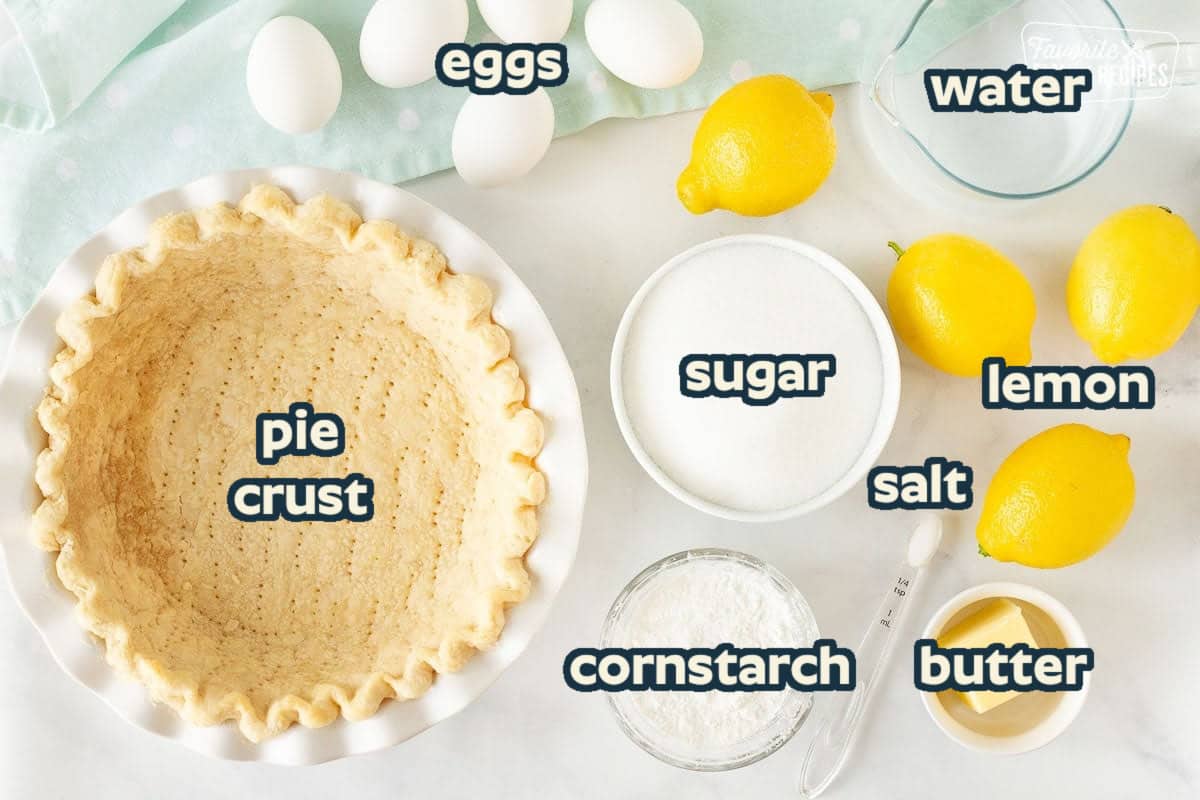
There are three parts to this pie: the crust, the lemon filling, and the meringue.
Pie Crust
- Pie crust: You’ll need one fully baked 9-inch pie crust. You can use a store-bought crust or make our homemade pie crust. The crust needs to be baked before adding the filling, or you’ll end up with soggy pastry underneath all that lemon filling.
Lemon Filling
- Granulated sugar: Regular white sugar works best for the smooth lemon filling.
- Cornstarch: This is what thickens the lemon filling so it holds together when sliced. Measure it carefully.
- Salt: Just a little is needed.
- Water: Combines with the cornstarch and sugar to create the base of the filling.
- Lemon zest: Use freshly grated lemon peel, avoiding the bitter white pith underneath.
- Egg yolks: You’ll need four. They help give the filling its creamy texture and color.
- Butter: Salted or unsalted butter will work.
- Lemon juice: Freshly squeezed lemon juice gives the pie its bright lemon flavor. Measure the juice rather than relying on a certain number of lemons, since their sizes vary.
Meringue Topping
- Egg whites: Use five to six egg whites at room temperature. Make sure no egg yolk gets into them, or they may not whip properly.
- Cream of tartar: Helps stabilize the whipped egg whites.
- Granulated sugar: Add it gradually while beating the meringue. You want a smooth, glossy topping rather than one that feels gritty.
Ingredient Additions and Substitutions
- Store-bought pie crust: A frozen or refrigerated crust works if you want to save time. Follow the package directions for fully baking the empty crust before filling it.
- Salted or unsalted butter: Either works in this recipe. There’s only a small amount of salt in the filling.
- Fresh lemon juice: Fresh lemons are recommended for the best flavor. Bottled juice may have a different flavor, so it’s not my first choice for a pie where lemon is the main ingredient.
- Extra lemon zest: If you prefer a stronger lemon flavor, a little more zest is an option. Keep the measured lemon juice the same so you don’t change the amount of liquid in the filling.
- Sugar substitutes: These may change how the filling sets and how the meringue holds together. A cup-for-cup sweetener isn’t necessarily a direct replacement in this recipe.
How to Make Lemon Meringue Pie

- Cook the lemon filling. In a medium saucepan, bring the sugar, cornstarch, salt, water, and lemon zest to a boil over medium heat. Stir constantly until the mixture is thick, smooth, and glossy. The secret to a silky lemon filling is to keep stirring!

- Add the egg yolks, butter, and lemon juice. Remove the saucepan from the heat and whisk in the four egg yolks. Return to the heat for one minute, stirring constantly. Remove from the heat again and whisk in the butter until melted, then stir in the lemon juice. The filling should be smooth and thick, with no lumps.

- Pour the filling into the pie crust. Carefully pour the lemon filling into your prepared, fully baked pie crust. Smooth the top and allow the filling to cool according to the original recipe.

- Start the meringue. In a clean, dry mixing bowl, beat the egg whites and cream of tartar on high speed with a hand mixer or stand mixer until foamy. Make sure there’s no egg yolk or grease in the bowl, or the whites may not whip properly.

- Add the sugar and beat until stiff peaks form. Gradually add the sugar while continuing to beat. The meringue is ready when it looks thick and glossy and the peaks stand upright when you lift the beaters. The sugar should be dissolved so the meringue doesn’t feel gritty.

- Spread the meringue over the pie. Spoon the meringue over the lemon filling, spreading it all the way to the edges so it touches the crust. This helps seal the filling and keeps the meringue from shrinking away from the sides. Use the back of a spoon to gently lift the meringue into little peaks.

- Finish shaping the meringue. Continue forming peaks across the entire surface of the pie. Make sure the filling is completely covered, with no gaps around the edges. Those little peaks will turn a beautiful golden brown as the pie bakes.

- Bake until lightly golden. Bake at 325°F for about 10 minutes, or until the meringue peaks are lightly browned. Keep an eye on it toward the end since the peaks can brown quickly. Allow the pie to cool gradually before refrigerating to help prevent condensation and weeping.
Recipe Tips
- Use a regular 9-inch pie pan. This is the size we use for the recipe. A much larger pan will give you a thinner pie.
- Blind bake the crust completely. A pale, underbaked crust will soften quickly when the lemon filling is added. Use pie weights or dried beans to keep the crust from puffing up while it bakes, then follow the crust recipe’s directions for finishing the bake.
- Keep stirring the filling. Cornstarch needs enough heat to thicken properly, and constant stirring helps prevent lumps and scorching.
- Use a completely clean mixing bowl for the meringue. Even a small amount of grease or egg yolk can keep egg whites from whipping into stiff peaks.
- Add the meringue sugar a little at a time. Don’t dump it in all at once. Gradually adding the sugar helps it dissolve into the egg whites. Rub a tiny bit of meringue between your fingers to check for noticeable sugar grains.
- Spread the meringue right to the crust. This helps anchor the topping and reduces the chance of it shrinking away from the edges while baking.
- Watch the color, not just the clock. The meringue should develop light golden peaks. Don’t keep baking just to make the entire surface dark brown.
- Allow the pie to cool gradually. Moving a steaming-hot pie straight into the refrigerator can cause condensation, which adds unwanted moisture to the topping.
Frequently Asked Questions
Absolutely! Just make sure to bake it completely before adding the lemon filling. A ready-made crust can save time without changing the filling or meringue.
We use a regular 9-inch pie pan. You can use glass, ceramic, or metal, but the time needed to fully bake the crust may vary by pan material.
The filling’s color can vary depending on the eggs and lemons. It should be a pretty, pale lemon yellow. We don’t add yellow food coloring to this recipe.
Make sure the pie is thoroughly chilled before slicing. Dip a sharp knife into hot water, dry it, and slice. Wipe the knife clean between each cut.
Freezing isn’t recommended for the finished pie. The lemon filling can release moisture as it thaws, and the meringue may become watery or lose its fluffy texture.
Troubleshooting
Why Is My Meringue Weeping?
If you notice little droplets of moisture on top of the meringue or liquid collecting between the topping and filling, that’s called weeping.
A few things can contribute to it:
- Sugar that hasn’t fully dissolved into the egg whites.
- Meringue that has been under-whipped or over-whipped.
- A topping that hasn’t cooked evenly or has been baked too long.
- Meringue that hasn’t been spread all the way to the crust.
- Condensation that develops as the pie cools.
To help prevent it, use room-temperature egg whites, add the sugar gradually, and beat until the meringue is smooth and glossy with stiff peaks. Make sure the topping reaches the edges of the crust, and let the finished pie cool gradually.
A few tiny beads of moisture don’t necessarily mean the pie is ruined. The flavor may still be wonderful, even if the topping isn’t quite as pretty.
Why Is My Pie Crust Soggy?
Usually, the crust wasn’t fully baked before the filling was added, or moisture collected in the pie while it cooled.
The crust should be golden and dry before you fill it. Don’t rely on the edges alone. Check the bottom, too.
You can also prepare the pie crust ahead of time so it’s completely baked and ready when you start the filling.
Why Is My Lemon Filling Runny?
The filling needs to get hot enough for the cornstarch to thicken it properly.
When the mixture reaches a boil, it should change from thin and cloudy to noticeably thick and glossy. After adding the egg yolks, return it to the heat for the additional minute called for in the recipe.
If the filling is still very thin in the saucepan, don’t expect refrigeration alone to fix it. Cooling helps a properly cooked filling set, but it can’t always rescue one that never thickened.
Why Won’t My Meringue Form Stiff Peaks?
First, check that the bowl and beaters are clean and dry. Make sure none of the egg yolk got mixed into the whites.
The egg whites should become thick and glossy as you beat them. When you lift the whisk, the peaks should stand upright and hold their shape.
If the mixture looks dry, clumpy, or separated, it may have been beaten too long.

Make Ahead and Storage
Make ahead: You can prepare and fully bake the pie crust a day ahead. Let it cool completely and store it according to the crust recipe’s instructions. For the best meringue texture, plan to assemble and finish the pie closer to when you’ll serve it.
Storing: After the pie has cooled, refrigerate it loosely covered for up to three days. To protect the meringue, you can tent a cover over the pie so it doesn’t touch the topping. The pie is best during the first day, since meringue can gradually release moisture and soften as it sits.
Serving: Serve the pie chilled. A clean, sharp knife makes it easier to cut through the meringue and filling without dragging the layers together.
Freezing: I don’t recommend freezing the finished pie. The filling and meringue can lose their texture after thawing.
Pairing Ideas
This pie is one of our family’s favorite desserts for Thanksgiving and Sunday dinners. It’s especially good after a meal of Roast Turkey, Homemade Mashed Potatoes, and Dinner Rolls. For another holiday dinner idea, try it after a Sunday Pot Roast. The tart lemon filling is a nice change from heavier chocolate or cream desserts.
More Recipes Like This
If you love homemade pies, here are some more Favorite Family Recipes to try:



- Key Lime Pie – A traditional southern pie in a graham cracker crust. It is creamy, sweet, and tart all at the same time.
- Easy Berry Pie – This pie is full of plump, juicy blackberries, blueberries, and raspberries and tastes delicious with vanilla ice cream. An easy pie recipe for any occasion!
- Island Pecan Pie – Loaded with coconut, pecans, and pineapple, this pie is creamy and full of flavor.
- Coconut Cream Pie – Coconut Cream Pie is a dreamy island dessert with a flaky crust, coconut filling that is made from scratch, and toasted coconut sprinkles.
- Creamy Lemon Pie – This Creamy Lemon Pie is packed full of tart, lemon flavor and creamy goodness. This recipe is super easy to make and is always a crowd-pleaser!
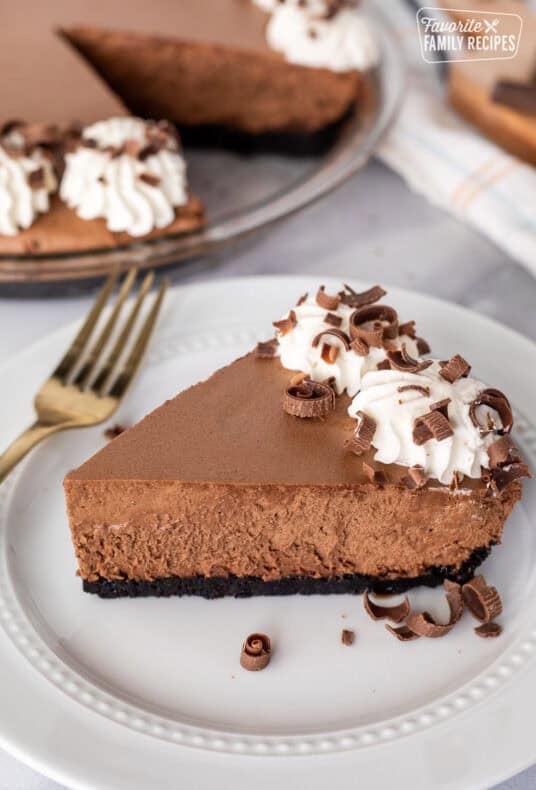
- German Chocolate Pie – This pie recipe comes straight from Amish country. The rich, gooey, chocolate filling is to die for!
🍋 If you make Mom’s Lemon Meringue Pie, we’d love to hear how it turns out! Leave a comment and a star rating below.
Homemade Lemon Meringue Pie

Video
Ingredients
- 1 pie crust, pre-baked
- 1 ½ cups sugar
- ½ cups cornstarch
- ¼ teaspoon salt
- 2 ¼ cups water
- 1 tablespoon grated lemon peel
- 4 egg yolks
- 3 tablespoons butter
- ½ cup lemon juice
FOR THE MERINGUE:
- 5-6 egg whites, at room temperature
- ¼ teaspoon cream of tartar
- ½ cup sugar
Instructions
- In a medium saucepan over medium heat, combine the sugar, cornstarch, salt, water, and lemon zest. Bring to a boil, stirring constantly, until the mixture is smooth, glossy, and thick.

- Remove from heat and whisk in the four egg yolks. Return to the heat and cook for one minute, stirring constantly. Remove from heat and whisk in the butter until melted. Stir in the lemon juice until the filling is smooth.

- Pour the filling into the prepared pie crust and allow it to cool.

Meringue Topping:
- Preheat the oven to 325°F. In a clean, dry mixing bowl, beat the egg whites and cream of tartar on high speed until foamy. Gradually add the ½ cup sugar while continuing to beat until the meringue forms stiff, glossy peaks.

- Spread the meringue evenly over the lemon filling, making sure it touches the crust around the entire edge. Use the back of a spoon to create decorative peaks.

- Bake on the middle oven rack for approximately 10 minutes, or until the meringue peaks are lightly golden.

- Remove from the oven and let cool gradually. Refrigerate until the filling is set and the pie is chilled before slicing.

Notes
- Pie crust: Use a fully baked 9-inch crust. Prick the bottom with a fork or use pie weights while blind baking, following the crust recipe.
- Filling: Stir constantly while cooking. The filling should be thick and glossy before it goes into the crust.
- Meringue: Use a grease-free bowl, add sugar gradually, and beat until stiff peaks form. Spread the topping all the way to the crust.
- Baking: Watch for lightly golden peaks rather than relying only on time.
- Storage: Refrigerate loosely covered for up to three days. For the best texture, serve within the first day.
Nutrition
Nutrition information is automatically calculated, so should only be used as an approximation.
Love this recipe?
We want to hear from you! Please leave a review.

Hi Emily, would you be so kind as to tell me what size pan you used? It’s really important for it to turn out so pretty, or else use a huge pan and end up looking like a Mexican tortilla, haha. Thanks in advance.
We make this in a standard 9-inch pie pan. It does make a difference to use the correct size. I’m glad you asked!
Very easy recipe to follow. The filling is a pretty light lemony color and delicious! Thanks!!
Thank you so much for the kind review! So glad to hear it was easy to understand.
Can you print out the recipe?
Yes, you should be able to print, but I will email the recipe to you.
I have been trying different recipes forever. This is THE one!!! Perfect!!!!
So glad you like our pie, our mom has been making it as long as I can remember!
Who doesn’t love a homemade lemon pie? Tried and true. Grandkids love it.
My favorite pie. Want to try your recipe
Let us know how you like it!
Hi,
What is an offset rolling pin, I’ve never heard of one.
What brand do you use and where would I purchase one?
Thank you
Nancy
I’m not sure where we mentioned an offset rolling pin in the recipe, I have been searching and I can’t find that reference. However, an offset rolling pin just means that it has fixed handles on the sides, they are considered to be “offset handles”.
Thank you. It is in your description of homemade pie crust, Perfect pie crust
Lemon meringue pie oh my! I will try this for my hubby!! His all time sweet if he’s going to have dessert.