
We may earn a commission when you click on the affiliate links in this post.
These Homemade Mashed Potatoes are creamy, buttery, and so easy to make. This is my mom’s recipe, made with Russet potatoes, warm milk, butter, and a little sour cream. I’ll show you how long to boil the potatoes, how to get the right consistency, and how to keep them warm until dinner is ready.

5-Star Reviews ⭐️⭐️⭐️⭐️⭐️
“Very easy and delicious… This is such a simple recipe for an outstanding and tasteful side dish!” – Jane R.
“Wow! I have made mashed potatoes my entire life and that’s a lot of potatoes. But adding sour cream is just genius!” – Cynthia W.
“This recipe is excellent! My mashed potatoes were light and creamy for the first time in 20 years. I’d give it 10 stars if I could.” – Alison
A Sunday Dinner Tradition
I grew up eating these mashed potatoes almost every Sunday. My mom would make a big Sunday dinner with roast turkey or roast beef, and there were always mashed potatoes and gravy to go with it. Her mashed potatoes were never too thin and watery or too thick and dry. They were just right.
This is her recipe, and the sour cream is one of the things that makes it so good. It gives the potatoes a little extra creaminess and flavor without making them taste overly tangy. And of course, there’s nothing better than a big scoop of mashed potatoes with homemade gravy poured over the top!
🩷 Erica
Table of Contents
- 5-Star Reviews ⭐️⭐️⭐️⭐️⭐️
- A Sunday Dinner Tradition
- Ingredients You’ll Need
- How to Make Mashed Potatoes
- Choosing the Best Potatoes
- How Long to Boil Potatoes for Mashed Potatoes
- Tips for Creamy, Fluffy Potatoes
- Frequently Asked Questions
- Troubleshooting
- Make Ahead and Storage
- Serving Ideas
- Recipes to Make with Leftover Mashed Potatoes
- Homemade Mashed Potatoes Recipe
Ingredients You’ll Need

You only need a few simple ingredients to make homemade mashed potatoes. The full measurements are in the recipe card below.
- Russet potatoes: These are my favorite for light, fluffy mashed potatoes. You can also use Yukon Gold potatoes if you prefer a slightly denser, creamier texture.
- Whole milk: Warm it before adding it to the potatoes. Start with a little and add more until you reach the consistency you like.
- Butter: Melt the butter with the milk so it’s warm when you add it to the potatoes.
- Sour cream: This is one of the things that makes my mom’s recipe different. It makes the potatoes extra creamy and gives them a little tang.
- Salt and pepper: Salt the cooking water, then taste the potatoes and adjust the seasonings after mashing.
If you want extra creamy potatoes, you can substitute half-and-half or heavy cream for some of the milk. You can also garnish the finished potatoes with fresh chives, parsley, thyme, or a little extra butter.
How to Make Mashed Potatoes

- Peel and cut the potatoes. Peel the Russet potatoes and cut them into quarters, keeping the pieces about the same size so they’ll cook evenly.

- Start with cold, salted water. Place the potatoes in a large stockpot and cover them with cold water. Add 1 to 2 teaspoons of salt and bring the water to a boil.

- Boil until fork-tender. Cook the potatoes for approximately 20 to 25 minutes, or until they easily break apart when pierced with a fork. Smaller pieces may cook faster.

- Warm the milk and butter. Combine the milk and butter in a microwave-safe bowl. Microwave for about 40 seconds, or until the butter melts and the mixture is warm. This keeps the cold milk from cooling off your potatoes.

- Drain and mash the potatoes. Drain the potatoes thoroughly. Mash them with a potato masher, or use a stand mixer with a whisk attachment on low speed. Stop mixing once they’re smooth so they don’t become gummy.

- Add the warm milk and butter. Slowly pour the milk mixture into the potatoes while mashing or stirring. You may not need every drop. Add a little more milk if you prefer thinner potatoes.

- Mix in the sour cream. Add the sour cream, then season with salt and pepper to taste. Gently mix until everything is combined.

- Serve while they’re hot. Transfer the potatoes to a serving bowl and add a little extra butter or fresh herbs if you’d like. Serve with your favorite homemade gravy.
Choosing the Best Potatoes

The kind of potato you use really does make a difference. Some potatoes mash up light and fluffy, while others are naturally creamier or hold their shape a little better.
- Russet potatoes: These are the best choice if you want fluffy mashed potatoes. They’re high in starch, easy to mash, and especially good with gravy. Peel them before boiling for the smoothest texture.
- Yukon Gold potatoes: These have a naturally buttery flavor and creamy texture. Their skins are thin enough to leave on if you like a more rustic mash.
- Red potatoes: These are waxier and hold their shape more than Russets. They’re good for chunkier mashed potatoes, especially with the skins left on.
You can also use a combination of Russet and Yukon Gold potatoes for a nice mix of fluffy and creamy.
A little Idaho potato trivia: Russet potatoes are often called Idaho potatoes, but technically, only Russet potatoes grown in Idaho can be sold as Idaho potatoes.
How Long to Boil Potatoes for Mashed Potatoes
This is one of the most important steps when making homemade mashed potatoes. If the potatoes aren’t cooked long enough, you’ll end up with lumps. If they’re overcooked, they can absorb too much water and become soggy.
For this recipe, I peel the Russet potatoes and cut them into quarters. They generally take 20 to 25 minutes of boiling, depending on how large the pieces are.
If you’re cutting your potatoes into different sizes, use this chart as a guide.
| Potato Size | Approximate Boiling Time |
|---|---|
| Small, 1-inch cubes | 10 to 15 minutes |
| Medium, 1½-inch chunks | 15 to 20 minutes |
| Large, quartered potatoes | 20 to 25 minutes |
| Whole medium potatoes | 25 to 35 minutes |
| Whole large potatoes | 35 to 45 minutes or longer |
These are approximate times after the water reaches a boil. The actual time depends on the potato variety, size, and how gently the water is boiling.
How To Know When Potatoes Are Done Boiling
Poke one of the largest pieces with a fork. It should slide in easily, and the potato should start to break apart without much pressure. If you still feel resistance in the middle, give the potatoes a few more minutes.
A few other things to remember:
- Start the potatoes in cold water rather than dropping them into boiling water. This helps them cook more evenly.
- Cut the pieces roughly the same size so you don’t end up with some falling apart while others are still hard.
- Add 1 to 2 teaspoons of salt to the cooking water.
- Once the water boils, reduce the heat as needed to maintain a steady, gentle boil.
Don’t worry too much about getting the timing down to the exact minute. Fork-tender potatoes are what you’re looking for.
Tips for Creamy, Fluffy Potatoes
- Drain the potatoes really well. Extra water can make mashed potatoes thin and watery. Let them sit in the colander briefly so the excess moisture can drain away.
- Don’t overmix. A potato masher is a great choice for fluffy potatoes. If you’re using a stand mixer or hand mixer, keep the speed low to medium and stop as soon as they’re smooth. Too much mixing can make them gummy.
- Add the milk gradually. It’s easier to thin mashed potatoes than to thicken them once you’ve added too much liquid. Start with less and keep adding until you like the consistency.
- Warm the dairy first. Cold milk and butter will cool down your potatoes. Warming them together before mixing helps keep everything hot.
- Taste before serving. Potatoes need enough salt to bring out their flavor. Give them a taste after adding the sour cream, then adjust the salt and pepper if needed.
- Don’t overcook the potatoes. They should be tender enough to mash easily, but you don’t want them sitting in boiling water long after they’re done.

Frequently Asked Questions
Yes! If you’re using Yukon Gold or red potatoes, leaving the skins on gives the potatoes a little more texture. For this recipe, I recommend peeling Russets because their skins are thicker and the potatoes turn out smoother without them.
Yes. You can leave it out if you prefer traditional mashed potatoes without the tang. Just add a little more warm milk or butter as needed to reach your preferred consistency. The sour cream is part of what makes my mom’s recipe special, but you can still make good mashed potatoes without it.
Plan on about ½ pound of uncooked potatoes per person for a generous serving. If you’re making mashed potatoes for a holiday dinner with lots of other side dishes, you may need a little less. I usually think it’s better to have leftovers than to run out of mashed potatoes!
Absolutely. Use a large enough pot so the potatoes cook evenly, and mash them in batches if necessary. Add the milk mixture a little at a time to each batch rather than pouring it all in at once. Keep the finished potatoes warm until you’re ready to serve.
Troubleshooting
- Why are my mashed potatoes gummy? Gummy mashed potatoes usually happen when the potatoes are overmixed. The more you work the potatoes, especially with an electric mixer or food processor, the more starch is released. A potato masher is the easiest way to avoid this. If they’re already gummy, adding a little melted butter may help loosen them, but the texture won’t be quite the same. You can also use them to make Cheesy Potato Cakes.
- How do I fix mashed potatoes that are too watery? If you’ve added too much milk, place the potatoes over low heat and stir gently to help some of the moisture evaporate. Be careful not to overmix. If the potatoes are extremely thin, adding a little more cooked, mashed potato is the best way to thicken them without changing the flavor too much.
Make Ahead and Storage
Make ahead: You can make these mashed potatoes a day or two before serving. Let them cool, transfer them to an airtight container, and refrigerate promptly. When you’re ready to serve, reheat them and stir in a little warm milk or butter to bring back their creamy consistency.
Keeping warm: If you’re making a big Sunday dinner or Thanksgiving meal, keep freshly made mashed potatoes covered in a 300°F oven for up to an hour, stirring occasionally. You can also transfer hot mashed potatoes to a slow cooker on the warm setting, stirring occasionally to keep the edges from drying out. Keep them at 140°F or warmer until serving.
Storing: Refrigerate leftover mashed potatoes in an airtight container within two hours of cooking. They’ll keep for 3 to 4 days in the refrigerator.
Reheating: Place the mashed potatoes in a covered baking dish and warm them in a 350°F oven, usually about 30 minutes depending on the amount. You can also reheat them on the stovetop over medium-low heat or in the microwave, stirring between intervals. Add a splash of milk and a little butter if they’ve thickened. Reheat leftovers to 165°F throughout.
Freezing: Mashed potatoes can be frozen, although the texture may change a little after thawing. Place completely cooled potatoes in freezer-safe airtight containers and freeze for best quality within 1 to 2 months. Thaw in the refrigerator and reheat with a little additional milk or butter.

Serving Ideas
Mashed potatoes go with just about any good Sunday dinner, but my favorite way to serve them is with Beef Gravy and Oven Roast Beef. Our homemade Beef Gravy takes about 15 minutes to make and doesn’t even require pan drippings, so you can make it whether you’re cooking a roast or not.
They’re also delicious with Turkey Gravy, Crockpot Steak and Gravy, or Chicken Fried Chicken with country gravy. Add some dinner rolls and your favorite vegetables, and you’ve got a complete meal.
If you’re making a big holiday dinner, you can also use our Crockpot Mashed Potatoes or Instant Pot Mashed Potatoes recipes to free up some space on the stovetop.
For something different, try adding shredded cheddar cheese, bacon, and green onions. We have a whole recipe for Loaded Mashed Potatoes if you want to go that route.
Recipes to Make with Leftover Mashed Potatoes
One of the best things about making a big batch of mashed potatoes is having leftovers. You can turn them into an entirely different meal instead of serving the same side dish again.

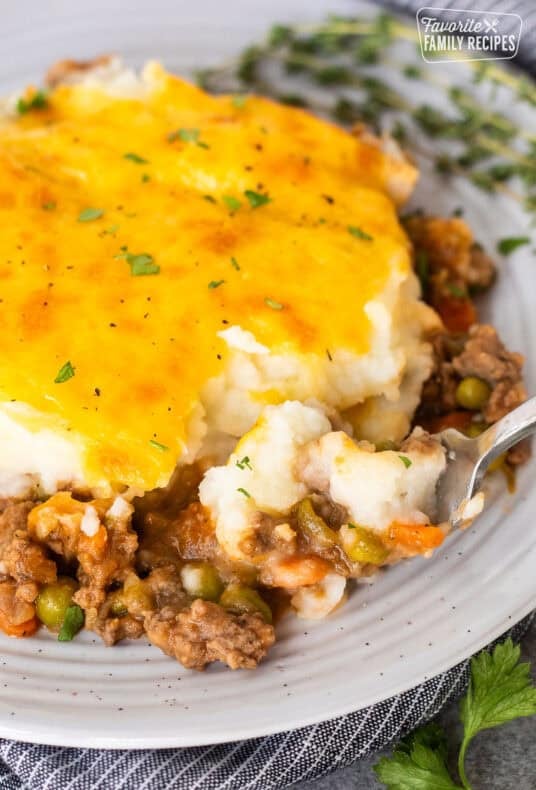
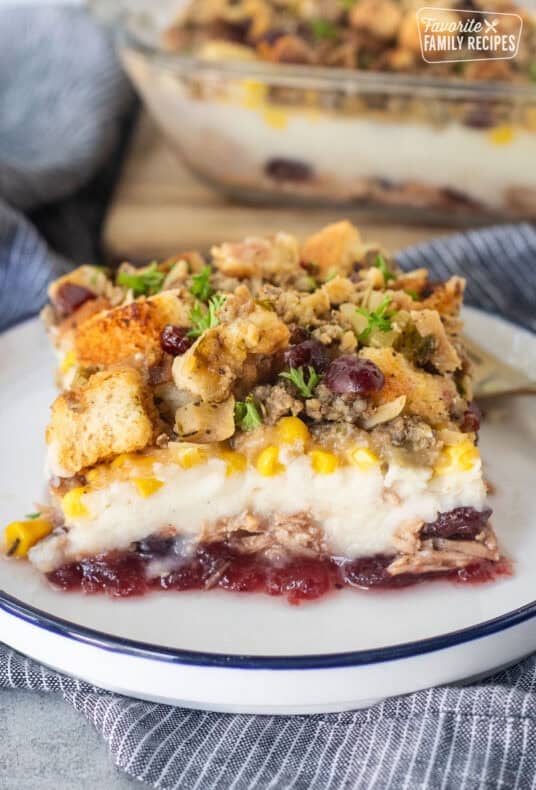

It makes me so happy to share my mom’s mashed potato recipe with you. If you make these, leave a comment and a star rating below. I’d love to hear how they turned out! 🥔💛
Homemade Mashed Potatoes

Video
Ingredients
- 3-4 pounds Russet potatoes
- 1/2 cup whole milk
- 1/4 cup butter
- 1/2 cup sour cream
- salt and pepper, to taste
Instructions
- Peel the potatoes and cut them into quarters, keeping the pieces as even in size as possible.

- Place the potatoes in a large stockpot and cover with cold water. Add approximately 1 to 2 teaspoons of salt and bring to a boil.
- Boil for approximately 20 to 25 minutes, or until the potatoes easily break apart when pierced with a fork. Cooking time will vary depending on the size of the pieces.
- Combine the milk and butter in a microwave-safe bowl. Microwave for approximately 40 seconds, or until the butter melts and the mixture is warm.
- Drain the potatoes thoroughly. Mash with a potato masher or use a stand mixer with a whisk attachment on low speed. Avoid overmixing.
- Slowly add the warm milk and butter mixture until the potatoes reach your desired consistency. Add more milk, if needed, for thinner potatoes.
- Gently mix in the sour cream. Add salt and pepper to taste. Serve immediately.


Notes
- 1-inch cubes: Approximately 10 to 15 minutes
- 1½-inch chunks: Approximately 15 to 20 minutes
- Large quarters: Approximately 20 to 25 minutes
- Whole medium potatoes: Approximately 25 to 35 minutes
- Whole large potatoes: Approximately 35 to 45 minutes or longer
- Begin with cold, salted water.
- Warm the milk and butter before adding.
- Add the milk mixture gradually.
- Mash gently and stop once the potatoes are smooth.
- Adjust salt and pepper after mixing in the sour cream.
- Cover in an oven-safe dish and place in a 300°F oven for up to an hour, stirring occasionally.
- Alternatively, transfer freshly prepared hot potatoes to a slow cooker on warm. Stir occasionally and keep at 140°F or above.
- Oven: Place in a covered baking dish at 350°F, adding a little milk or butter as needed. Heat until 165°F throughout.
- Stovetop: Heat gently over medium-low heat, stirring occasionally and adding milk if needed.
- Microwave: Heat in short intervals, stirring between each interval until heated through to 165°F.
Nutrition
Nutrition information is automatically calculated, so should only be used as an approximation.
Love this recipe?
We want to hear from you! Please leave a review.

It was very delicious! would definitely make again!!😋
Thanks! So glad you liked it!
So creamy.
These potatoes are amazing! I’m going to try adding the sour cream 🙂
I l like Red Potatoes to make Mashed Potatoes. They keep longer in the Refrigerator . Is that Okay ?
Sure!
We used heavy cream instead of sour cream for smooth mashed potatoes
Hi. Can you use half and half in replace of whole milk? Wanna try these tomorrow.
Sure! They will be extra creamy!
Putting sour cream in the potatoes makes a difference. They were delicious. Thank you for sharing! Yummy!!!
perfect potatoes.
Tasty and fluffy
Husband is a big fan of fluffy mash potatoes. Thanks for sharing this yummy recipe.
These are delicious! I’m going to try make them this year during the holidays. I think my family will love them.
Delightful!
Yummy, just like I like them.
It’s exactly how we make our mashed potatoes! Add that turkey gravy and yum!!
5 stars for this traditional staple
Love this recipe. This is how my mother made her mashed potatoes on the stove. The only thing she left out was the sour cream.
Simple but skip the sour cream just add extra butter!!
This is how I make my mashed potatoes, except I add garlic powder. I never thought to heat the milk and butter together! I will do that from now on! A wonderful idea!!
Thank you, Sheryl. Happy Thanksgiving!
Ooh! My goodness, these Mashed Potatoes are soooo delicious. They are so creamy and decadent. The addition of the sour cream pushed it over the top and the butter was the cherry on top.
Perfectly wonderful potatoes every time